


- Address
- First Floor, Bilwa 45, Plot No 1057-A, Road No 45, Jubilee Hills, Hyderabad 500033
- Phone
- +91 96769 48899
- Hours
- Mon–Sat 9:00 am – 5:00 pm
- Dr. Movva next here
- 26 and 27 November; 1, 2 and 3 December
Spine conditions
Herniated & bulging discs in Hyderabad
Image-guided, non-surgical treatment for disc-related back and leg pain, aimed at the disc and the irritated nerve rather than at masking the pain.
Understanding the condition
When a disc presses where it should not
Each disc between the vertebrae has a tough outer ring and a softer centre. A bulging disc spreads beyond its normal edge; a herniated disc is one where the softer centre pushes through a tear in the outer ring. Both can press on or inflame a nearby nerve root.
Many disc bulges seen on an MRI cause no symptoms at all, so the first job is to work out whether the disc on the scan is really the source of your pain. When it is, the pain is often felt less in the back than down the leg (sciatica) or, in the neck, down the arm.
Discs in the neck (the cervical spine) can bulge or herniate in the same way. Cervical disc problems and nerve compression can cause neck pain, stiffness and discomfort that radiates into the shoulder and arm. Your doctor evaluates and treats chronic neck pain as well as low back pain and sciatica.

Symptoms
What patients describe
- Low back or neck pain that is worse sitting, bending or lifting
- Pain, tingling or numbness running into the buttock and leg, or into the arm
- Pain that flares with coughing or sneezing
- Weakness in the leg or foot, or in the arm or hand
- Stiffness first thing in the morning
- Symptoms that keep returning after physiotherapy or steroid injections
If this sounds like your situation, a consultation starts with finding out exactly which structure is causing the pain.
Treatment
Disc treatment at RegenOrthoSport
Primary treatment
Image-guided stem cell therapy (BMAC)
Bone marrow concentrate or other regenerative injections can be placed at the injured disc level under fluoroscopic guidance, with the aim of supporting repair of the disc and the tissues around it.
Bone marrow is collected from the back of your hip, concentrated in a centrifuge, and placed by your doctor under ultrasound or X-ray guidance so the treatment reaches the structure that is actually injured.

Before surgery or steroids
Why look at regenerative options first?
The usual pathway for a painful disc is rest and physiotherapy, then epidural steroid injections, then surgery such as a discectomy or fusion. Steroid can calm an inflamed nerve for a while, but it does not repair the disc. Surgery has a clear role when a nerve is badly compressed or weakness is progressing.
For many patients in between, regenerative and interventional options are worth discussing before surgery. Your doctor will also tell you plainly when your symptoms need a surgical opinion.
Your plan
What treatment can include
- Fluoroscopy-guided regenerative injection at the affected disc level
- Interventional pain procedures such as targeted nerve blocks when appropriate
- A review of your MRI alongside your examination findings
- Core and hip strengthening with a physiotherapy program
- Changes to sitting, lifting and training while the disc settles
Every plan begins with a detailed assessment. Your doctor will tell you if regenerative treatment is not the right option for your case.
Recovery timeline
What to expect after treatment
All patients go home the same day. Mild soreness at the bone marrow collection site and injection areas is common for several days, as the healing process begins with a natural inflammatory response.
-
First few days
Mild soreness or stiffness is typical.
-
Your rehab plan
Your doctor provides a personalized rehabilitation plan to help you achieve the best possible results.
-
Weeks 2–6
Gradual improvement in pain, mobility, and daily function.
-
Months 2–6
Continued healing as stem cells and growth factors support tissue repair.
Patient reviews
Patients in their words
I was struggling with a disc bulge, but RegenOrthoSport platelet treatment changed everything—no surgery, no long downtime, just real relief
Individual results vary. Patient testimonials describe personal experiences and are not a guarantee of outcome for any other patient.
Related
More spine conditions
Near you
Back pain treatment in your city
Doctors, address and directions for each of our clinics.
Am I a candidate for regenerative orthopedic treatment?
Candidates are typically individuals seeking non-surgical options for joint pain, sports injuries, tendon or ligament damage, or degenerative orthopedic conditions. Your physician will determine whether regenerative treatment is appropriate based on your diagnosis, imaging findings, and overall health.
Can regenerative treatments help me avoid surgery?
Many patients seek regenerative orthopedic care because they want to delay or avoid surgery whenever appropriate. While surgery may still be necessary in some cases, our goal is to explore advanced non-surgical options that may help relieve pain, improve function, and support natural healing before considering surgical intervention.
Can regenerative treatments help if I've already been told I need surgery?
Some patients who have been advised to undergo surgery may still benefit from a regenerative orthopedic evaluation. Depending on the condition and its severity, advanced non-surgical treatments may be an option to help improve function or potentially delay surgery. However, surgery remains the best treatment for some conditions, and recommendations are made on an individual basis.
What is recovery like after treatment?
Recovery is typically much shorter than traditional orthopedic surgery. All patients go home the same day and gradually resume normal daily activities based on their physician's recommendations and individualized rehabilitation plan.
Are there risks or side effects?
Most patients experience only mild soreness, swelling, or stiffness for a few days after treatment. As with any medical procedure, there are potential risks, which your physician will discuss during your consultation along with the expected benefits based on your condition.
Our Hyderabad clinic
RegenOrthoSport Hyderabad
See a doctor in Jubilee Hills, Hyderabad: address, timings, the doctors who see patients here and how to book.
Doctors at our Hyderabad clinic
-
Founder
-
Orthopaedic & Regenerative Medicine Specialist
Areas we serve around Hyderabad
- Jubilee Hills
- Banjara Hills
- Film Nagar
- Madhapur
- Gachibowli
- Hitech City
- Kondapur
- Ameerpet
- Begumpet
- Secunderabad
- Kukatpally
- Manikonda
Hyderabad clinic: common questions
Where is the RegenOrthoSport clinic in Hyderabad?
RegenOrthoSport Hyderabad is at First Floor, Bilwa 45, Plot No 1057-A, Road No 45, Jubilee Hills, Hyderabad, Telangana 500033. We see patients from Jubilee Hills, Banjara Hills, Film Nagar, Madhapur, Gachibowli, Hitech City and nearby.
What are the clinic hours in Hyderabad?
Mon–Sat 9:00 am – 5:00 pm. Call +91 96769 48899 or message us on WhatsApp +91 80089 26498 to book.
Which doctors see patients in Hyderabad?
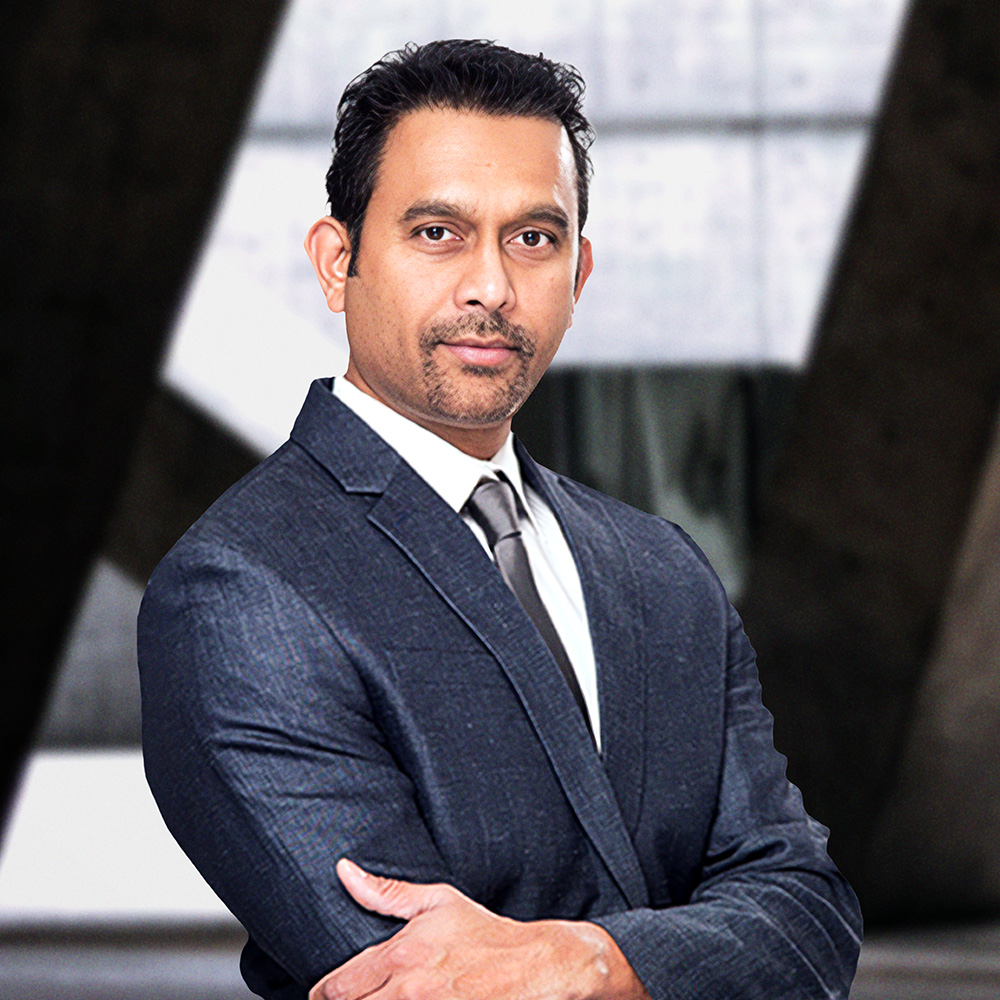
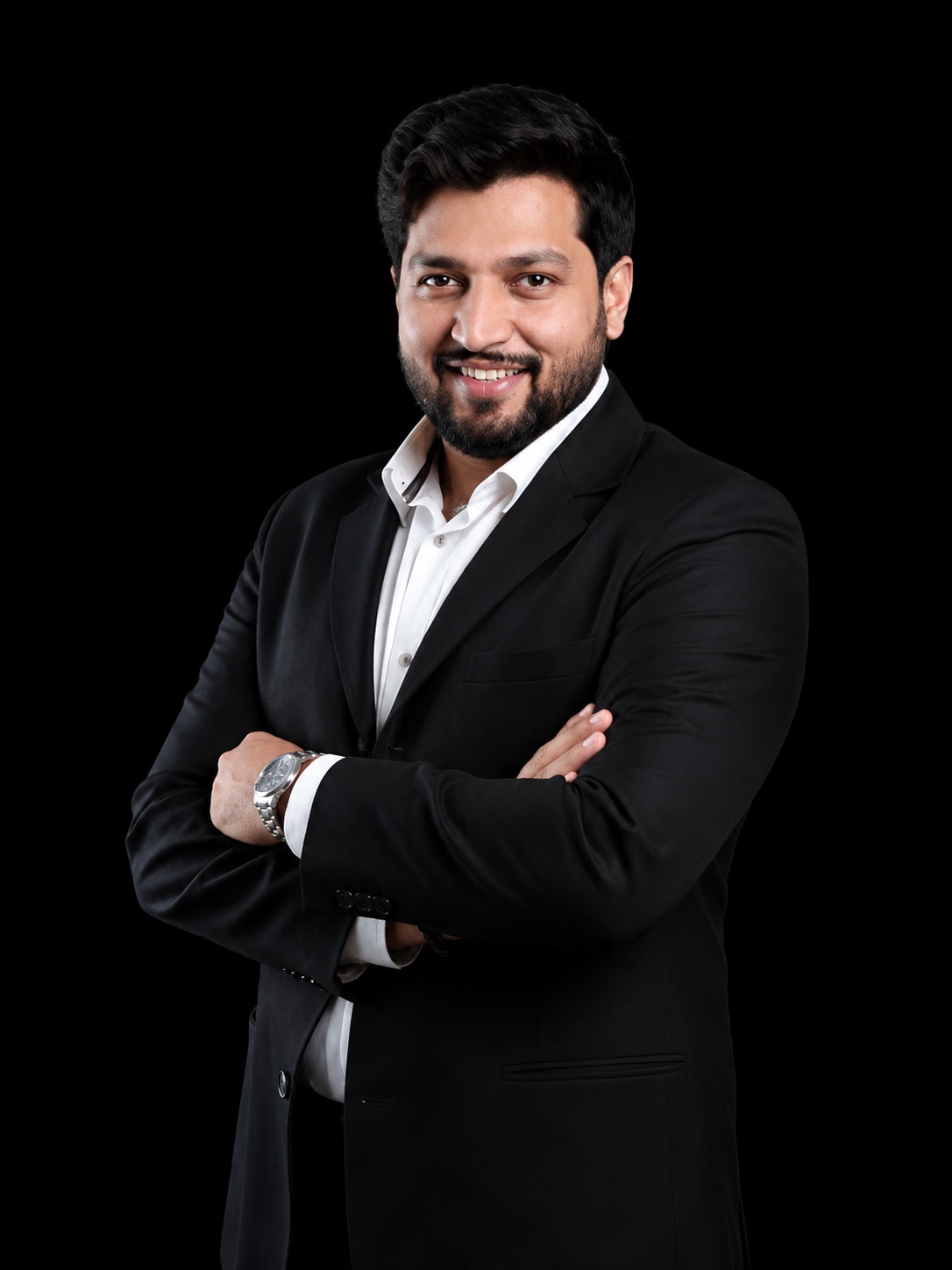
Dr. Venkatesh Movva (Founder); Dr. Anand Alluru (Orthopaedic & Regenerative Medicine Specialist).
When is Dr. Movva next in Hyderabad?
Dr. Movva is next at the Hyderabad clinic on 26 and 27 November; 1, 2 and 3 December. Call to reserve a slot; his appointments fill early.
Consultation request
Get your back evaluated
Tell us where it hurts and how it is holding you back. Our team will call you to book a consultation at the clinic nearest to you in Hyderabad, Mumbai or Bangalore.
- Consultation with Dr. Movva
- Review of your history and imaging
- An honest answer on candidacy
Prefer to talk? Call +91 96769 48899 or message us on WhatsApp.
Contact us or request an appointment
Fields marked * are required.