
- REGENORTHOSPORT BANGALORE
Alternative to Core Decompression for AVN Surgery
Explore advanced non-surgical treatment options for Avascular Necrosis (AVN) of the hip designed to manage symptoms, support bone health and preserve the natural hip joint when clinically appropriate.
Understanding Core Decompression for AVN
Core decompression is a surgical procedure used to treat certain stages of Avascular Necrosis (AVN), particularly when the femoral head has not yet collapsed. The procedure involves creating channels within the affected bone to reduce pressure and support blood flow and bone healing. Core decompression is not automatically the only treatment option for every person diagnosed with AVN. The appropriate treatment depends on the stage of AVN, location and extent of bone involvement, symptoms, femoral head integrity, imaging findings, age, activity level and overall health. A detailed evaluation helps determine whether a non-surgical regenerative orthopedic approach can be considered for preserving the natural hip joint and managing the condition.
Long-term corticosteroid use
Excessive alcohol consumption
Previous hip trauma
Hip fractures
Hip dislocation
Certain medical conditions
Blood clotting disorders
Radiation exposure
Certain medications
Previous surgery
In some cases, no specific cause is identified
Common Symptoms of AVN
When Should You See an AVN Specialist?
Stages and Conditions Associated With Core Decompression for AVN
Early-Stage AVN

Symptoms
- Mild or moderate hip pain
- Groin discomfort
- Pain during activity
- Occasional stiffness
- Reduced exercise tolerance
Causes
Diagnosis
Non-Surgical Treatment
Pre-Collapse AVN
Symptoms
- Persistent hip pain
- Groin pain
- Pain with weight-bearing
- Reduced hip movement
- Difficulty exercising
- Increasing functional limitations
Causes
Diagnosis
Non-Surgical Treatment
AVN With Femoral Head Collapse
Symptoms
- Significant hip pain
- Severe stiffness
- Difficulty walking
- Limping
- Reduced range of motion
- Pain during daily activities
- Difficulty exercising
Causes
Diagnosis
Non-Surgical Treatment
Bilateral Hip AVN
Symptoms
- Pain in both hips
- Difficulty walking
- Bilateral stiffness
- Reduced activity tolerance
- Difficulty exercising
- Progressive mobility limitations
Causes
Diagnosis
Non-Surgical Treatment
Signs You Shouldn't Ignore
- Persistent groin pain
- Deep hip pain
- Pain while walking
- Pain during weight-bearing
- Increasing hip stiffness
- Reduced hip range of motion
- Limping
- Difficulty climbing stairs
- Pain during exercise
- Difficulty putting on shoes or socks
- Hip pain following trauma
- MRI findings showing bone changes
How We Diagnose AVN Before Considering Core Decompression
Medical History
Physical Examination
X-rays
MRI
AVN Staging
Functional Assessment
Non-Surgical Alternatives to Core Decompression for AVN
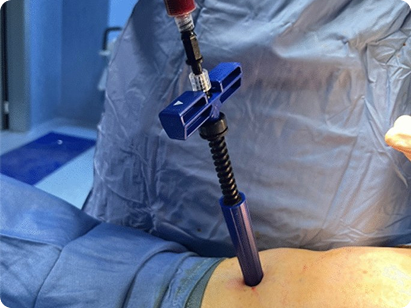
Bone Marrow Concentrate (BMAC)
How It Works
Potential Benefits
- Supports the body's healing environment
- Helps manage hip pain
- Supports bone health
- Supports joint preservation
- Can complement rehabilitation
- Uses the patient's own biological material
Recovery
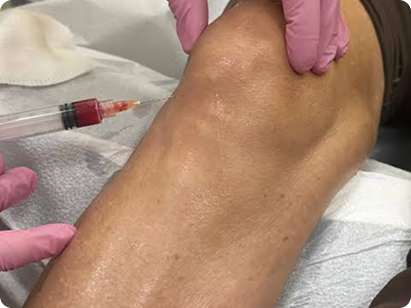
High-Concentrated PRP Therapy
How It Works
Benefits
- Helps manage hip pain
- Supports the body's healing environment
- Supports surrounding tissue function
- Uses the patient's own blood
- Can complement rehabilitation
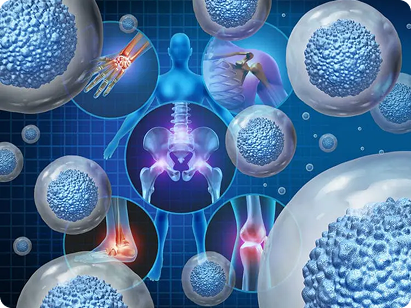
Stem Cell Therapy
Ideal Candidates
- Early-stage AVN
- Pre-collapse AVN
- Bone marrow changes associated with AVN
- Persistent hip pain
- Patients seeking joint-preserving treatment
- Patients seeking alternatives to surgical core decompression
Procedure
Benefits
- Supports the body's healing environment
- Supports bone health
- Helps manage symptoms
- Supports hip function
- Focuses on preserving the natural hip joint
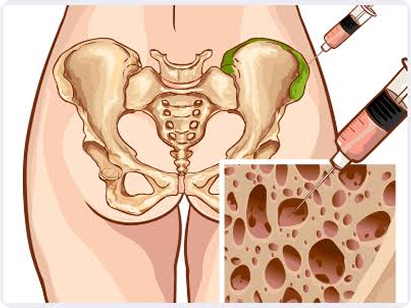
Platelet Lysate Therapy
Potential Benefits
- Supports the body's healing environment
- Helps manage symptoms
- Supports tissue recovery
- Can complement rehabilitation
- Supports joint preservation
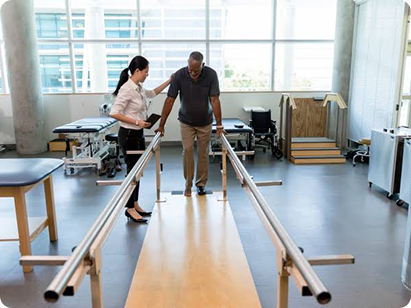
Physiotherapy and Rehabilitation
- Maintaining hip range of motion
- Strengthening the hip muscles
- Strengthening the core
- Improving pelvic stability
- Improving walking mechanics
- Reducing excessive joint loading
- Maintaining functional mobility
- Gradually returning to appropriate physical activity

Activity and Weight-Bearing Modification
- Modifying high-impact activities
- Reducing excessive weight-bearing
- Using appropriate support when required
- Avoiding activities that significantly increase hip pain
- Maintaining controlled mobility
- Gradually progressing activity according to recovery
Who Is a Good Candidate for Non-Surgical AVN Treatment?
Non-surgical regenerative treatment can be considered for appropriate patients with:
A detailed MRI evaluation is essential before determining whether non-surgical treatment is appropriate.
Patients with significant femoral head collapse or advanced joint destruction require a different treatment assessment.
1Early-stage AVN
2Pre-collapse AVN
3Limited femoral head involvement
4Persistent hip pain
5Bone marrow changes identified on MRI
6Patients seeking joint-preserving treatment
7Patients seeking alternatives to core decompression
8Patients seeking alternatives to immediate hip replacement
Why Choose
RegenOrthoSport?
Specialized Orthopedic Expertise
Our team focuses on AVN, hip conditions, joint preservation, sports injuries and regenerative orthopedic treatment.
Regenerative Medicine Focus
We provide image-guided regenerative treatments including Bone Marrow Concentrate (BMAC), PRP, Platelet Lysate and cell-based treatments for appropriate orthopedic conditions.
Personalized Treatment
Every treatment plan is based on the stage of AVN, MRI findings, symptoms, hip function, activity level and long-term goals.
Advanced Diagnostics
Clinical examination, X-rays, MRI, ultrasound when appropriate and functional assessment help establish an accurate understanding of the hip.
Image-Guided Treatment
Image guidance supports accurate delivery of regenerative treatments to the appropriate anatomical area.
Focus on Hip Preservation
The goal is to preserve the natural hip joint and support function whenever joint-preserving treatment is clinically appropriate.
Benefits of Non-Surgical AVN Treatment
- Focuses on preserving the natural hip joint
- Helps manage hip pain
- Supports the body's healing environment
- Supports bone and joint function
- Can incorporate regenerative orthopedic treatments
- Includes personalized rehabilitation
- Can reduce mechanical stress on the affected hip
- Focuses on joint preservation when clinically appropriate
Your Recovery
Within Days
Follow personalized activity and weight-bearing instructions while allowing the treated area to recover.
Within Weeks
Progress through controlled mobility, strengthening and functional exercises according to the treatment plan.
Within Months
Continue building hip strength, mobility and functional capacity while gradually progressing toward appropriate daily activities and exercise.

- Voice of Trust
Testimonials
- Frequently Asked Questions
Frequently asked
questions
What are the symptoms of AVN of the hip?
Common symptoms include pain in the hip or groin, stiffness, reduced range of motion and difficulty with activities such as walking, climbing stairs or standing for prolonged periods. Some people have few symptoms during the early stages.
Where does AVN hip pain usually occur?
AVN-related pain is commonly felt in the groin or hip. It can also extend toward the thigh, buttock or knee. The location and severity of pain can vary depending on the extent of femoral head involvement.
Can AVN cause knee pain?
Yes. Hip problems can sometimes cause referred pain that is felt around the knee. When knee pain occurs along with hip symptoms, evaluating the hip can help determine whether the pain is originating from the hip joint.
Can AVN affect both hips?
Yes. AVN can affect both hips. When AVN is diagnosed in one hip, the other hip may also be evaluated, particularly when there are risk factors associated with bilateral disease.
What is femoral head collapse in AVN?
Femoral head collapse occurs when weakened bone within the femoral head loses its structural integrity and the normally rounded shape of the femoral head becomes altered. This can lead to progressive joint damage and worsening hip symptoms.
What is the difference between AVN and osteoarthritis of the hip?
AVN results from impaired blood supply to the bone, leading to bone damage within the femoral head. Hip osteoarthritis primarily involves progressive degeneration of the joint surfaces and surrounding structures. Advanced AVN can eventually lead to secondary osteoarthritis.
Can AVN cause permanent damage to the hip?
AVN can cause progressive damage to the femoral head if the condition advances. Loss of structural integrity and femoral head collapse can result in permanent changes to the hip joint.
Can AVN cause difficulty walking?
Yes. Pain, stiffness, reduced hip movement and progression of femoral head damage can make walking difficult. The degree of walking difficulty varies with the stage and extent of AVN.
Can AVN occur without pain?
Yes. Early AVN can sometimes produce few or no noticeable symptoms. AVN may also be identified incidentally during imaging performed for another reason.
How is the stage of AVN determined?
AVN staging is based on clinical assessment and imaging findings, particularly MRI and X-rays. The evaluation considers the location and extent of bone involvement and whether structural changes or femoral head collapse are present.
What does pre-collapse AVN mean?
Pre-collapse AVN means that the affected portion of the femoral head has not yet undergone significant structural collapse. Identifying AVN before collapse is important when considering joint-preserving treatment approaches.
What does post-collapse AVN mean?
Post-collapse AVN refers to AVN in which the femoral head has developed structural collapse or deformity. Treatment options at this stage are influenced by the extent of collapse and the condition of the hip joint.
Can corticosteroids increase the risk of AVN?
Yes. Prolonged or high-dose corticosteroid exposure is an established risk factor for AVN. The risk varies according to factors such as dosage, duration and individual susceptibility.
Can alcohol cause AVN?
Excessive alcohol consumption is associated with an increased risk of AVN. Alcohol-related AVN is thought to involve changes that affect bone health and blood supply to the femoral head.
Can AVN develop after a hip injury?
Yes. Trauma such as a hip fracture or dislocation can damage the blood vessels supplying the femoral head and increase the risk of AVN.
What happens if AVN is left untreated?
The course of AVN varies, but progressive disease can lead to weakening and collapse of the femoral head. Once collapse occurs, damage to the hip joint can become more extensive.
How often should AVN be monitored?
Follow-up frequency depends on the stage of AVN, symptoms, imaging findings and treatment plan. Your specialist can determine when repeat clinical assessment or imaging is appropriate.
Can AVN affect daily activities?
Yes. Depending on its severity, AVN can interfere with walking, standing, climbing stairs, sitting for prolonged periods and other daily activities involving the hip.
Can weight-bearing worsen AVN?
Weight-bearing places mechanical stress on the femoral head. In some cases, activity and weight-bearing may need to be modified to reduce stress on the affected hip, particularly when the bone is structurally compromised.
Can AVN come back after treatment?
AVN can progress or develop in another area of the hip or the opposite hip depending on the underlying cause and individual risk factors. Ongoing clinical and imaging follow-up can help monitor the condition.
Visit RegenOrthoSport Bangalore
Bangalore Clinic –
No. 771, Hothur Grand, 100 Feet Rd, HAL 2nd Stage, Doopanahalli, Indiranagar Bengaluru, Karnataka 560038