
- REGENORTHOSPORT BANGALORE
Non-Surgical Alternatives To Carpal Tunnel Release
Understanding Carpal Tunnel Release
Common Symptoms
When Should You See a Hand Specialist?
Conditions Associated With
Carpal Tunnel Release
Mild to Moderate Carpal Tunnel Syndrome

Symptoms
- Intermittent numbness
- Tingling
- Wrist discomfort
- Nighttime symptoms
- Mild hand weakness
- Occasional difficulty gripping
Causes
Diagnosis
Non-Surgical Treatment
Median Nerve Compression
Symptoms
- Numbness
- Tingling
- Burning
- Hand weakness
- Reduced grip strength
- Symptoms that worsen at night
Causes
Diagnosis
Non-Surgical Treatment
Carpal Tunnel Syndrome From Repetitive Use
Symptoms
- Wrist discomfort
- Tingling
- Numbness
- Hand fatigue
- Grip weakness
- Symptoms during repetitive activities
Causes
Diagnosis
Non-Surgical Treatment
Carpal Tunnel Syndrome With Hand Weakness
Symptoms
- Reduced grip strength
- Thumb weakness
- Difficulty opening containers
- Difficulty holding objects
- Dropping objects
- Persistent numbness
Causes
Diagnosis
Non-Surgical Treatment
Signs You Shouldn't Ignore
- Persistent numbness
- Frequent tingling
- Nighttime symptoms
- Increasing hand weakness
- Thumb weakness
- Difficulty gripping
- Dropping objects
- Loss of fine motor control
- Persistent wrist pain
- Reduced hand sensation
- Symptoms affecting work or daily activities
How We Diagnose Carpal Tunnel Syndrome Before Considering Release Surgery
Medical History
Physical Examination
Nerve Conduction Studies
Electromyography
Musculoskeletal Ultrasound
Functional Assessment
Non-Surgical Alternatives to Carpal Tunnel Release
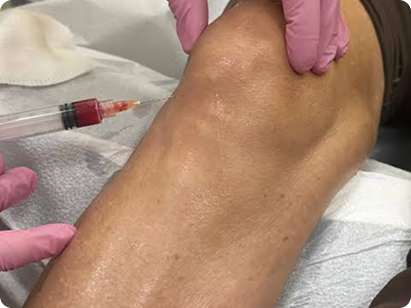
High-Concentrated PRP Therapy
How It Works
Potential Benefits
- Helps manage wrist pain
- Supports the body's healing environment
- Supports surrounding tissue function
- Can complement rehabilitation
- Supports recovery
- Uses the patient's own blood
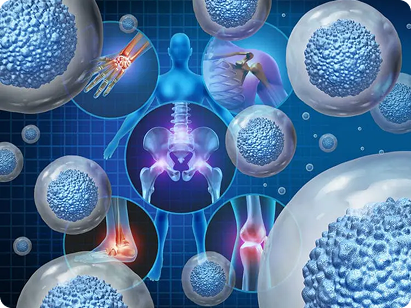
Stem Cell Therapy
Ideal Candidates
- Carpal tunnel-related soft-tissue conditions
- Wrist conditions
- Tendon-related wrist problems
- Associated joint conditions
- Persistent wrist pain
- Patients seeking non-surgical treatment options
Procedure
Benefits
- Supports the body's healing environment
- Helps manage symptoms
- Supports surrounding tissue function
- Can complement rehabilitation
- Focuses on natural tissue preservation
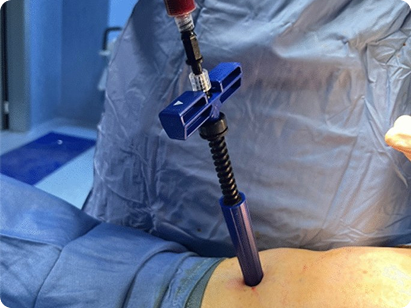
Bone Marrow Concentrate (BMAC)
Potential Benefits
- Supports tissue healing
- Helps manage symptoms
- Supports joint function
- Supports recovery
- Can complement rehabilitation
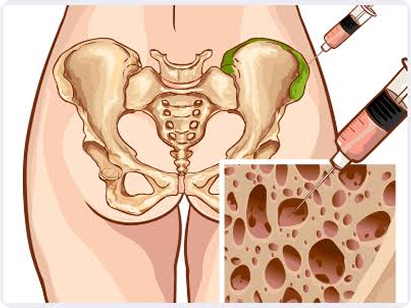
Platelet Lysate Therapy
Potential Benefits
- Supports the body's healing environment
- Helps manage symptoms
- Supports surrounding tissue function
- Supports recovery
- Can complement rehabilitation
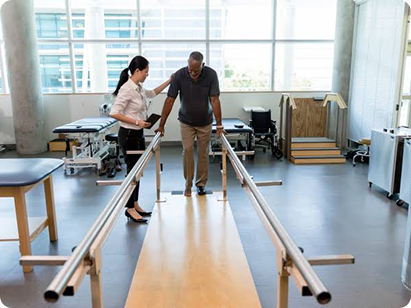
Physiotherapy and Hand Rehabilitation
- Wrist mobility
- Finger mobility
- Tendon-gliding exercises
- Nerve-gliding exercises
- Forearm flexibility
- Grip strengthening
- Thumb strengthening
- Improving wrist mechanics
- Ergonomic correction
- Functional hand training
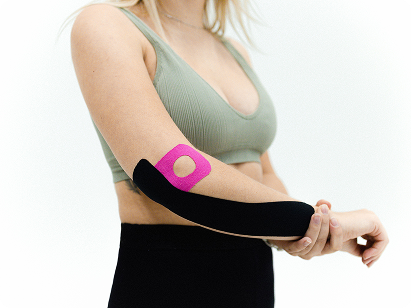
Wrist Splinting
A wrist splint can help maintain the wrist in a neutral position and reduce stress around the carpal tunnel, particularly during sleep.
Treatment can include:
- Nighttime wrist splinting
- Neutral wrist positioning
- Activity-specific support
- Ergonomic adjustments
- Gradual return to repetitive activities

Activity and Ergonomic Modification
Changing activities that repeatedly aggravate the wrist can help reduce stress on the median nerve.
This can include:
- Adjusting keyboard and mouse position
- Avoiding prolonged wrist bending
- Reducing repetitive gripping
- Taking regular work breaks
- Improving workstation ergonomics
- Modifying hand-intensive activities
- Using appropriate wrist support
Who Is a Good Candidate for Non-Surgical Carpal Tunnel Treatment?
Non-surgical treatment can be considered for appropriate patients with:
A thorough clinical and nerve assessment is necessary before determining the appropriate treatment. Severe nerve compression, significant muscle wasting, progressive weakness or permanent nerve damage requires detailed specialist assessment.
1Mild carpal tunnel syndrome
2Moderate carpal tunnel syndrome
3Intermittent numbness
4Early nerve compression
5Repetitive-use symptoms
6Wrist discomfort
7Patients seeking alternatives to surgery
8Patients without significant permanent nerve damage
9Patients seeking to improve hand function without immediate surgery
Why Choose
RegenOrthoSport?
Specialized Hand and Wrist Expertise
Our team focuses on hand and wrist conditions, nerve-related symptoms, sports injuries, joint preservation and regenerative orthopedic treatment.
Regenerative Medicine Focus
We provide image-guided regenerative treatments including High-Concentrated High-Concentrated PRP , High Concentrated Platelets, BMAC, Platelet Lysate and cell-based treatments for appropriate orthopedic conditions.
Personalized Treatment
Every treatment plan is based on nerve function, symptom severity, imaging findings, activity level and functional goals.
Advanced Diagnostics
Clinical examination, nerve conduction studies, EMG, ultrasound and functional assessment help establish an accurate understanding of the condition.
Rehabilitation Support
Structured hand rehabilitation helps improve wrist mobility, grip strength, nerve mobility and functional hand use.
Focus on Natural Tissue Preservation
The goal is to manage symptoms, support hand function and preserve natural structures whenever non-surgical treatment is clinically appropriate.
Benefits of Non-Surgical Carpal Tunnel Treatment
- Helps manage wrist and hand symptoms
- Supports hand function
- Supports grip strength
- Improves wrist mobility
- Can reduce aggravating activities
- Can avoid immediate surgery when clinically appropriate
- Includes personalized hand rehabilitation
- Can incorporate appropriate regenerative orthopedic treatments
- Supports daily hand function
- Focuses on preserving natural structures
Your Recovery
Within Days
Follow personalized activity and ergonomic recommendations and use wrist support when advised.
Within Weeks
Progress through mobility, nerve-gliding and strengthening exercises under professional guidance.
Within Months
Continue improving hand strength, wrist function and tolerance for work, exercise and daily activities.

- Voice of Trust
Testimonials
- Frequently Asked Questions
Frequently asked
questions
Can carpal tunnel release surgery be avoided?
What are the non-surgical alternatives to carpal tunnel release?
Can High-Concentrated PRP help carpal tunnel syndrome?
High-Concentrated PRP can be considered for appropriate wrist and surrounding tissue conditions. The doctor evaluates the severity of median nerve compression before recommending treatment.
Can stem cell therapy replace carpal tunnel release?
Can BMAC help carpal tunnel syndrome?
Can Platelet Lysate help carpal tunnel syndrome?
Can carpal tunnel syndrome be treated without surgery?
Can physiotherapy help carpal tunnel syndrome?
Does wearing a wrist brace help carpal tunnel syndrome?
What exercises help carpal tunnel syndrome?
How is carpal tunnel syndrome diagnosed?
Is an EMG necessary for carpal tunnel syndrome?
Can ultrasound detect carpal tunnel syndrome?
Can I continue working with carpal tunnel syndrome?
When is carpal tunnel release surgery recommended?
Can regenerative medicine repair a compressed median nerve?
How long does non-surgical carpal tunnel treatment take?
Will I need hand therapy after regenerative treatment?
Can non-surgical treatment prevent carpal tunnel syndrome from getting worse?
Why choose RegenOrthoSport for non-surgical alternatives to carpal tunnel release?
Visit RegenOrthoSport Bangalore
Bangalore Clinic –
No. 771, Hothur Grand, 100 Feet Rd, HAL 2nd Stage, Doopanahalli, Indiranagar Bengaluru, Karnataka 560038