Non-Surgical Treatment for Hip Fractures: Alternatives to Fixation

Explore non-surgical treatment options for hip fracture-related pain and recovery, focused on supporting bone healing, managing symptoms, improving mobility and preserving joint function when appropriate. Hip fractures are serious injuries, and many require surgical fixation or replacement. A detailed orthopedic evaluation is essential to determine whether non-surgical management is appropriate.

Understanding Hip Fracture Fixation

Hip fracture fixation is a surgical procedure used to stabilize a fractured hip, commonly with screws, plates, rods or other fixation devices. It is frequently recommended because hip fractures can affect the ability to stand and walk and can lead to complications when treatment is delayed. However, not every fracture pattern requires the same approach. In specific situations, particularly when surgery is not appropriate because of overall health or when a fracture is stable and nondisplaced, carefully supervised non-surgical management can be considered. Regenerative orthopedic treatments can also be evaluated as supportive options for bone and joint healing, but they do not replace mechanical stabilization when a fracture is unstable or displaced.
What Can Cause a Hip Fracture?

Common Symptoms of a Hip Fracture

When Should You See a Hip Specialist?

Immediate medical evaluation is necessary after suspected hip fracture, particularly when there is:
A suspected hip fracture should not be treated with home exercises or regenerative injections before the fracture is properly diagnosed and stabilized.

Conditions Associated With
Hip Fracture Fixation

Femoral Neck Fracture

Symptoms

Causes

Femoral neck fractures commonly occur after falls or trauma. They can also occur with weakened bone.

Diagnosis

X-rays are typically used initially. CT or MRI can provide additional information when the fracture is difficult to identify or more detailed assessment is required.

Non-Surgical Treatment

Stable, nondisplaced fractures in carefully selected patients can sometimes be managed with protected weight-bearing, close imaging follow-up and rehabilitation. Displaced fractures frequently require surgical treatment because mechanical stability is necessary for healing.

Symptoms

Causes

These fractures commonly occur after falls or significant trauma and are also associated with reduced bone strength.

Diagnosis

X-rays generally identify the fracture. CT can provide additional structural information when needed.

Non-Surgical Treatment

Non-surgical management is considered only in specific circumstances when surgery is unsuitable or the fracture characteristics allow it. Close monitoring, individualized weight-bearing instructions and rehabilitation are important.

Symptoms

Causes

A fracture can occur without the bone fragments becoming significantly displaced.

Diagnosis

X-rays and, when necessary, MRI or CT help determine fracture stability and displacement.

Non-Surgical Treatment

Carefully selected stable fractures can be managed with protected weight-bearing, monitoring and rehabilitation. The treatment plan depends on fracture location and stability.

Symptoms

Causes

Osteoporosis and other conditions that reduce bone density can increase fracture risk.

Diagnosis

X-rays identify the fracture while bone-density testing and laboratory evaluation can help assess bone health.

Non-Surgical Treatment

Management can include appropriate weight-bearing modification, rehabilitation, nutritional support, osteoporosis management and evaluation of bone health. Regenerative orthopedic approaches can be considered in specific cases as supportive treatment.

Signs You Shouldn't Ignore

A suspected hip fracture requires prompt medical evaluation. Delaying diagnosis or attempting to treat an unstable fracture without appropriate stabilization can increase the risk of complications.
Watch for:
Appropriate imaging is essential to determine whether the fracture is stable, displaced or requires surgical fixation.

How We Diagnose a Hip Fracture Before Considering Non-Surgical Treatment

Accurate diagnosis is essential before deciding whether non-surgical management is appropriate. At RegenOrthoSport, the hip is evaluated to understand the fracture pattern, stability, bone quality and overall joint condition.

Medical History

The evaluation includes how the injury occurred, previous fractures, bone-health history, medications, activity level and existing medical conditions.

Physical Examination

The hip is assessed for pain, swelling, tenderness, range of motion and the ability to bear weight.

Bone Health Assessment

When appropriate, bone density and other evaluations can identify osteoporosis or other factors contributing to fracture risk.

X-Rays

X-rays are the primary imaging method for identifying most hip fractures and evaluating displacement and fracture pattern.

CT Scan

CT can provide detailed information about complex fracture patterns and bone structure.

MRI

MRI can identify fractures that are not clearly visible on initial X-rays and can provide information about surrounding soft tissues and bone.

Non-Surgical Alternatives to Hip Fracture Fixation
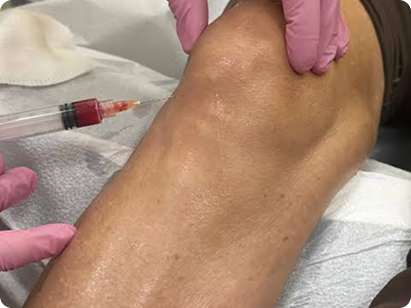
High-Concentrated PRP Therapy

High-Concentrated PRP or High Concentrated Platelets uses a concentrated preparation of the patient’s own blood platelets. High-Concentrated PRP can be considered for appropriate soft-tissue or joint conditions associated with hip injuries and recovery.

Potential Benefits

High-Concentrated PRP does not stabilize a fractured bone and should not be used as a replacement for fixation when mechanical stabilization is required.

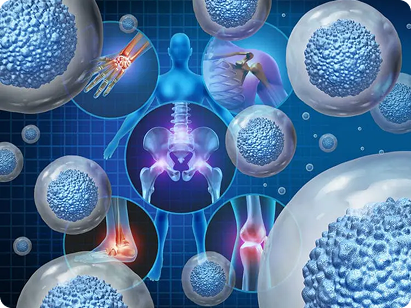
Stem Cell Therapy

Ideal Candidates

Cell-based treatment can be considered for selected bone and joint conditions associated with:

Procedure

A cell-based preparation is collected from an appropriate source, processed and delivered to the appropriate treatment area using image guidance when clinically appropriate.

Benefits

Cell-based treatment is not a substitute for surgical fixation when a fracture is unstable, displaced or mechanically unable to heal in proper alignment.

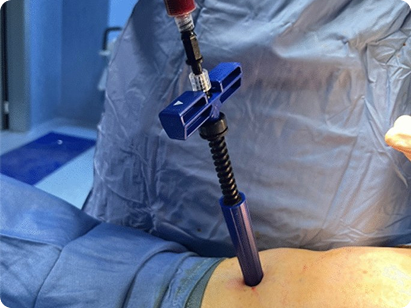
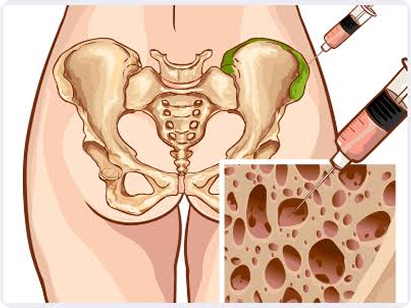
Bone Marrow Concentrate (BMAC)

How It Works

Bone Marrow Concentrate is prepared from the patient’s own bone marrow and contains concentrated cells and other components. It can be considered as a regenerative orthopedic approach for certain bone and joint conditions.

Potential Benefits

BMAC does not provide mechanical stabilization for an unstable or displaced hip fracture. Fracture stability must be established before considering regenerative treatment.

Platelet Lysate Therapy

Platelet Lysate is a preparation containing concentrated growth factors derived from platelets. It is used in orthopedic care for appropriate cartilage, bone, tendon, ligament, joint and other musculoskeletal conditions.

Potential Benefits

The doctor determines whether Platelet Lysate is appropriate based on the underlying condition, imaging findings and overall joint health.

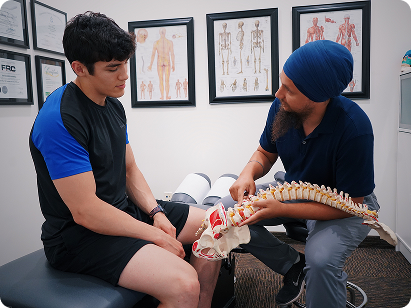
Physiotherapy and Rehabilitation

Rehabilitation is an important component of recovery after a hip fracture. Once the fracture is considered stable and the treating physician permits progression, therapy can focus on:
Weight-bearing progression is determined according to fracture stability and healing.

Conservative Fracture Management

For carefully selected stable or nondisplaced fractures, non-surgical management can include:
The fracture must be monitored closely to ensure that alignment and healing are maintained.

Bone Health Management

Improving bone health is important for reducing future fracture risk. Depending on the patient’s condition, management can include:

Who Is a Good Candidate for Non-Surgical Hip Fracture Treatment?

Non-surgical management can be considered for carefully selected patients with:


A thorough clinical and imaging assessment is necessary before determining the appropriate treatment. Displaced fractures, unstable fractures, fractures with compromised blood supply or fractures requiring mechanical stabilization generally require surgical evaluation.

1Stable hip fractures

2Nondisplaced fractures

3Fractures that maintain acceptable alignment

4Patients for whom surgery presents significant medical risk

5Patients who can comply with protected weight-bearing

6Patients who can undergo close imaging follow-up

7Patients requiring conservative management after specialist evaluation

Why Choose
RegenOrthoSport?

Choosing the appropriate treatment for a hip fracture starts with accurate diagnosis and assessment of fracture stability. At RegenOrthoSport, the focus is on understanding the fracture pattern, bone health, joint condition and functional requirements before recommending treatment.

Specialized Hip Expertise

Our team focuses on hip conditions, bone and joint injuries, joint preservation and regenerative orthopedic treatment.

Regenerative Medicine Focus

We provide image-guided regenerative treatments including BMAC, High-Concentrated PRP, High Concentrated Platelets, Platelet Lysate and cell-based treatments for appropriate orthopedic conditions.

Personalized Treatment

Every treatment plan is based on fracture location, stability, displacement, bone health, imaging findings, overall health and recovery goals.

Advanced Diagnostics

Clinical examination, X-rays, CT, MRI and bone-health assessment help establish an accurate understanding of the fracture.

Rehabilitation Support

Structured rehabilitation helps restore strength, balance, mobility, gait and functional movement.

Focus on Joint Preservation

The goal is to preserve natural hip structures and support function whenever non-surgical treatment is clinically appropriate.

Benefits of Non-Surgical Hip Fracture Management

Why Consider Non-Surgical Treatment?

Your Recovery

Within Days

Follow individualized weight-bearing and activity instructions while protecting the injured hip.

Within Weeks

Progress through mobility, balance and strengthening exercises as fracture healing allows.

Within Months

Gradually restore walking, strength, mobility and functional activities under professional guidance.

Testimonials

Frequently asked
questions

Can a hip fracture be treated without surgery?
Some stable and nondisplaced hip fractures can be managed without surgery in carefully selected patients. The decision depends on fracture location, stability, alignment, overall health and the ability to follow protected weight-bearing instructions.
Options can include protected weight-bearing, assistive devices, close imaging follow-up, pain management, physical therapy, bone-health management and selected regenerative orthopedic treatments.
High-Concentrated PRP does not mechanically stabilize a fracture. It can be considered for certain associated soft-tissue or joint conditions but is not a substitute for fixation when stabilization is required.
Cell-based treatments can be considered for certain bone and joint healing conditions. They do not replace surgical stabilization of an unstable or displaced fracture.
BMAC does not provide mechanical fixation. It can be considered as a supportive regenerative orthopedic treatment for appropriate bone and joint conditions after fracture stability has been established.
BMAC stands for Bone Marrow Aspirate Concentrate. It is prepared from the patient’s own bone marrow and contains concentrated cells and other components that support the body’s healing environment.
Platelet Lysate can be considered for appropriate musculoskeletal conditions as part of a comprehensive treatment plan. The fracture must first be evaluated for stability and healing.
Yes. Once the fracture is stable and rehabilitation is medically appropriate, physical therapy can help restore strength, balance, mobility, gait and functional movement.
Certain nondisplaced fractures can heal with conservative treatment when the fracture remains stable and appropriate weight-bearing restrictions and monitoring are followed.
Surgery is commonly considered for displaced or unstable fractures, fractures that cannot maintain proper alignment and fractures where mechanical stabilization is necessary for healing.
Weight-bearing recommendations depend on the fracture pattern and stability. Walking without appropriate medical guidance can increase stress on an unstable fracture.
X-rays identify most hip fractures, but MRI or CT may be necessary when an X-ray is inconclusive or when a more detailed evaluation is required.
Yes. MRI can identify certain fractures that are not visible on initial X-rays and can provide additional information about bone and surrounding tissues.
Yes. Reduced bone density can make the hip more vulnerable to fractures, particularly after falls or relatively minor trauma.
Regenerative orthopedic treatments can support the body’s healing environment in appropriate bone and joint conditions. They do not replace mechanical stabilization when a fracture is unstable.
Healing time varies according to fracture type, stability, bone quality, age, overall health and treatment approach. Rehabilitation continues as strength and mobility return.
Exercise should be introduced gradually according to fracture healing and medical guidance. Rehabilitation initially focuses on safe mobility, strength and balance before progressing to higher-level activity.
An untreated or unstable hip fracture can result in displacement, impaired healing, prolonged immobility and other serious complications. Prompt evaluation is important.
Certain hip fractures can contribute to post-traumatic joint degeneration, depending on the location and severity of the injury and the condition of the joint.
RegenOrthoSport provides comprehensive hip evaluations, advanced imaging, regenerative orthopedic treatments and structured rehabilitation. Dr. Venkatesh Movva evaluates fracture stability, bone health, joint condition and functional requirements before recommending the most appropriate treatment.

Visit RegenOrthoSport Bangalore

Bangalore Clinic –
No. 771, Hothur Grand, 100 Feet Rd, HAL 2nd Stage, Doopanahalli, Indiranagar Bengaluru, Karnataka 560038

Orthopedic Main Web Form