
- REGENORTHOSPORT HYDERABAD
Non-Surgical Knee Pain Treatment in Hyderabad
Find lasting relief from knee pain without surgery
Understanding Knee Pain
Osteoarthritis
Meniscus tears
Cartilage damage
Ligament injuries
Tendon injuries
Overuse conditions
Bursitis
Sports injuries
Patellofemoral pain syndrome
Acute vs. Chronic Knee Pain
Chronic Knee Pain
Acute Knee Pain
Usually develops suddenly following a fall, sports injury, accident, or twisting movement. It often causes immediate pain, swelling, and reduced mobility.
When Should You See a Specialist?
Conditions That Cause Knee Pain
Knee Osteoarthritis

Symptoms
- Gradual pain
- Morning stiffness
- Swelling
- Difficulty walking
Causes
Age-related cartilage wear, previous injuries, obesity, and genetics.
Diagnosis
Clinical examination, X-rays, and MRI when necessary.
Non-Surgical Treatment
PRP, Bone Marrow Concentrate (BMAC), Platelet Lysate, rehabilitation, activity modification, and strengthening exercises.
Meniscus Tear
Symptoms
- Knee locking
- Clicking
- Pain while twisting
- Swelling
Causes
Diagnosis
Non-Surgical Treatment
ACL Injury
Symptoms
- Knee instability
- Swelling
- Difficulty pivoting
- Pain after injury
Causes
Diagnosis
Non-Surgical Treatment
PCL Injury
Symptoms
- Knee pain
- Swelling
- Instability
- Difficulty descending stairs
Causes
Diagnosis
Non-Surgical Treatment
MCL/LCL Injury
Symptoms
- Pain on the inner or outer side of the knee
- Swelling
- Tenderness
- Instability
Causes
Diagnosis
Non-Surgical Treatment
Patellofemoral Pain Syndrome
Symptoms
- Pain around the kneecap
- Pain during squatting
- Difficulty climbing stairs
- Pain after prolonged sitting
Causes
Diagnosis
Non-Surgical Treatment
Cartilage Damage
Symptoms
- Persistent pain
- Swelling
- Joint stiffness
- Reduced mobility
Causes
Diagnosis
Non-Surgical Treatment
Runner's Knee
Symptoms
- Front knee pain
- Pain while running
- Pain after exercise
Causes
Diagnosis
Non-Surgical Treatment
Jumper's Knee
Symptoms
- Pain below the kneecap
- Tenderness
- Pain while jumping
Causes
Diagnosis
Non-Surgical Treatment
Tendinitis
Symptoms
- Localized tendon pain
- Swelling
- Pain during movement
Causes
Diagnosis
Non-Surgical Treatment
Bursitis
Symptoms
- Local swelling
- Tenderness
- Warmth
- Pain with kneeling
Causes
Diagnosis
Non-Surgical Treatment
Signs You Shouldn't Ignore
- Pain while walking or standing
- Persistent swelling
- Morning stiffness
- Clicking, catching, or locking
- Knee instability or giving way
- Difficulty climbing or descending stairs
- Limited ability to bend or straighten the knee
- Reduced range of motion
- Pain that interrupts sleep or daily activities
How We Diagnose Knee Pain
Medical History
Physical Examination
X-rays
MRI
Ultrasound
Functional Assessment
Non-Surgical Knee PainTreatments
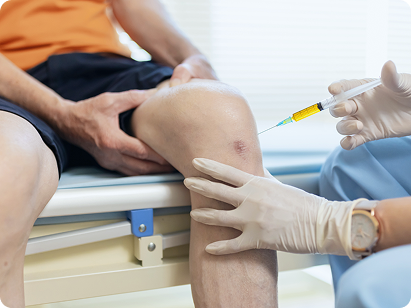
PRP Therapy
How It Works
PRP uses a concentrated sample of your own platelets containing natural growth factors. The PRP is carefully prepared and injected into the affected area using image guidance to support the body’s natural healing response.
Benefits
- Reduced pain
- Improved function
- Supports tissue healing
- Uses your own blood
- Outpatient procedure
Recovery
Most patients resume normal daily activities within a few days while following a personalized rehabilitation program.
Success
Many patients with early arthritis, tendon injuries, and ligament or meniscus conditions experience meaningful improvements following PRP when combined with rehabilitation.
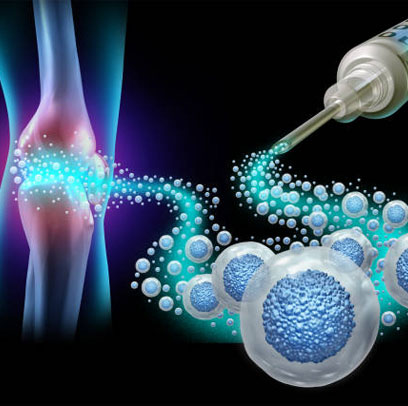
Bone Marrow Concentrate is an advanced regenerative treatment that concentrates healing cells from your own bone marrow. It is recommended for patients with cartilage injuries, moderate osteoarthritis, or complex joint conditions where additional regenerative support is appropriate.
Stem Cell Therapy
Ideal Candidates
- Moderate cartilage damage
- Arthritis patients
- Certain sports injuries
- Patients seeking to delay surgery
Procedure
Regenerative cells are collected from your own bone marrow, processed, and precisely injected into the affected area using image guidance.
Benefits
- Supports tissue repair
- Reduce pain
- Improves function
- Helps preserve the natural joint
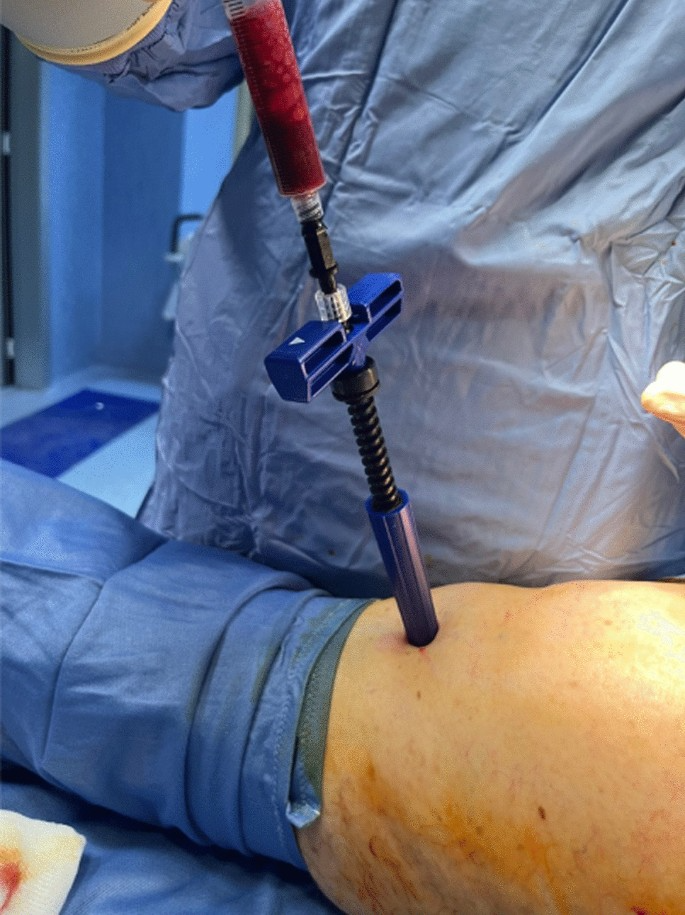
Bone Marrow Concentrate (BMAC)
Potential benefits include:
- Improved pain relief
- Better joint function
- Enhanced healing environment
- Joint preservation
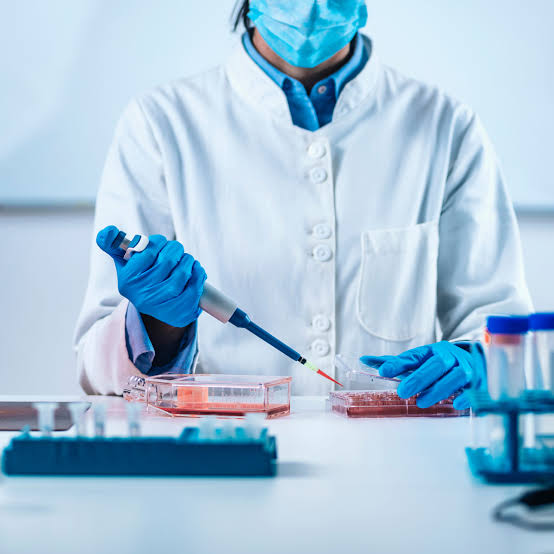
Platelet Lysate Therapy
Platelet Lysate provides a concentrated source of healing growth factors to help support tissue repair. It is used for orthopedic and nerve-related conditions.
Potential benefits include:
- Reduced inflammation
- Pain relief
- Improved tissue healing
- Faster recovery in appropriate cases
Who Is a Good
Candidate?
1 Mild to moderate knee osteoarthritis
2 Meniscus, ligament, cartilage, or tendon injuries
3 Active individuals looking to stay mobile
4 Patients seeking to avoid or delay knee replacement
5 Those who have not found adequate relief with conventional treatments
Why Choose
RegenOrthoSport?
Specialized Orthopedic Expertise
Our specialists focus exclusively on orthopedic and sports-related conditions, providing comprehensive evaluations and personalized treatment recommendations.
Regenerative Medicine Focus
We offer advanced image-guided regenerative treatments, including PRP, Bone Marrow Concentrate (BMAC), and Platelet Lysate, for patients.
Personalized Care
Every treatment plan is tailored to your diagnosis, activity level, lifestyle, and recovery goals.
Advanced Diagnostics
Comprehensive assessments, imaging, and functional evaluations help ensure an accurate diagnosis before treatment begins.
Rehabilitation Support
Treatment is complemented by structured rehabilitation programs designed to improve strength, mobility, and long-term outcomes.
Evidence-Based Protocols
Our approach combines current clinical evidence, physician expertise, and individualized patient care to recommend the most appropriate non-surgical treatment options for each patient.
Benefits of Non-Surgical Treatment
Why Choose Non-Surgical Treatment?
- Reduce pain and improve mobility
- Preserve your natural knee joint
- Helps avoid or delay surgery
- Less downtime than traditional surgery
- Outpatient procedure with personalized care
Your Recovery
Within Days
Resume light daily activities.
Within Weeks
Experience gradual improvements in pain and movement.
Within Months
Continue gaining strength, mobility, and overall knee function.

- Voice of Trust
Testimonials
- Frequently Asked Questions
Frequently asked
questions
What are the most common causes of knee pain?
Knee pain can result from arthritis, ligament injuries, meniscus tears, cartilage damage, tendon injuries, bursitis, or overuse. A proper evaluation helps identify the underlying cause.
When should I see a doctor for knee pain?
If your knee pain persists for more than a few weeks, causes swelling or instability, limits your daily activities, or worsens over time, it’s important to seek medical evaluation.
Can knee pain go away without surgery?
What non-surgical treatments are available for knee pain?
Is PRP effective for knee pain?
What is Bone Marrow Concentrate (BMAC)?
What is Platelet Lysate Therapy?
Can regenerative treatments help knee arthritis?
Can regenerative treatments heal a meniscus tear?
Can ligament injuries be treated without surgery?
How is knee pain diagnosed?
Am I a candidate for non-surgical knee treatment?
How long does recovery take after regenerative treatment?
Are regenerative treatments painful?
Can I walk after PRP or BMAC treatment?
Will I need physical therapy after treatment?
Can regenerative treatment help me avoid knee replacement surgery?
Are regenerative treatments safe?
How do I know which treatment is right for me?
Why choose RegenOrthoSport for non-surgical knee pain treatment?
Visit RegenOrthoSport Hyderabad
First Floor, Bilwa 45, Plot No 1057-A, Road No 45, Jubilee Hills, Hyderabad, Telangana 500033