
- REGENORTHOSPORT HYDERABAD
Non-Surgical Alternatives to
Core Decompression for AVN of the Hip
Understanding Core Decompression for AVN
Common Symptoms of AVN
When Should You See a Hip Specialist?
Conditions Associated With Core Decompression for AVN
Early-Stage Femoral Head AVN

Symptoms
- Groin pain
- Hip pain
- Pain during walking
- Mild stiffness
- Pain during exercise
- Reduced activity tolerance
Causes
Diagnosis
Non-Surgical Treatment
AVN With Bone Marrow Edema
Symptoms
- Groin pain
- Hip pain
- Pain during weight-bearing
- Stiffness
- Difficulty walking
- Reduced activity tolerance
Causes
Diagnosis
Non-Surgical Treatment
AVN With Cartilage and Joint Changes
Symptoms
- Persistent hip pain
- Stiffness
- Reduced range of motion
- Pain while walking
- Difficulty exercising
- Reduced hip function
Causes
Diagnosis
Non-Surgical Treatment
Post-Traumatic AVN
Symptoms
- Hip pain
- Groin pain
- Stiffness
- Reduced hip mobility
- Pain during weight-bearing
- Difficulty exercising
Causes
Diagnosis
Non-Surgical Treatment
Signs You Shouldn't Ignore
- Persistent hip pain
- Groin pain
- Pain during walking
- Pain with weight-bearing
- Progressive stiffness
- Reduced hip movement
- Difficulty climbing stairs
- Difficulty exercising
- Limping
- Pain that progressively worsens
- Symptoms following hip trauma
- Symptoms with known AVN risk factors
How We Diagnose AVN Before Core Decompression
Medical History
Physical Examination
X-rays
MRI
Functional Assessment
Non-Surgical Alternatives to Core Decompression for AVN
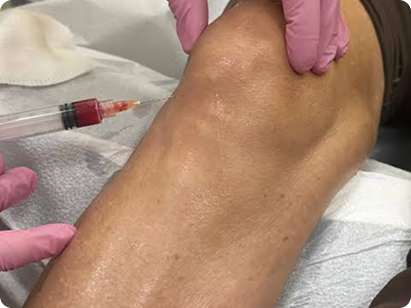
High Concentrated PRP Therapy
How It Works
Benefits
- Helps manage hip pain
- Supports the body's healing environment
- Supports joint function
- Can complement rehabilitation
- Uses the patient's own blood
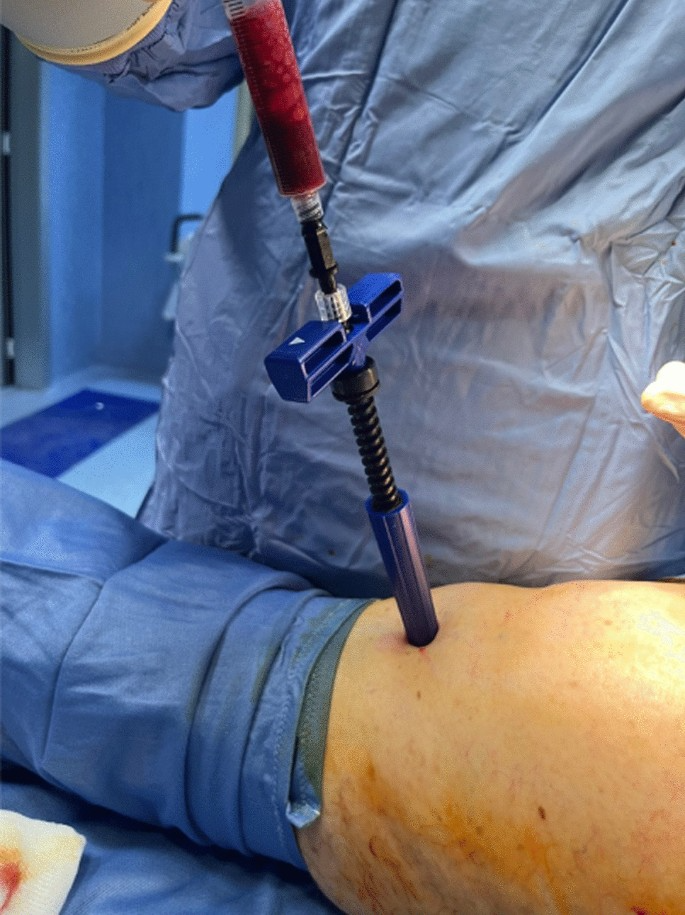
Bone Marrow Concentrate (BMAC)
How It Works
Benefits
- Supports the body's healing environment
- Helps manage symptoms
- Supports bone and joint health
- Can complement rehabilitation
- Focuses on natural joint preservation
- Uses the patient's own biological material
Recovery
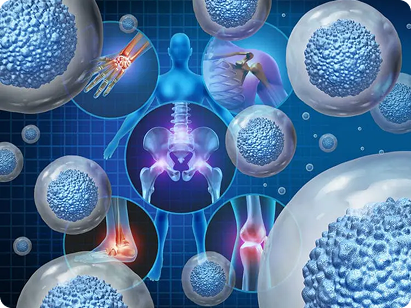
Stem Cell Therapy
Ideal Candidates
- Early-stage AVN
- Femoral head bone damage without significant collapse
- Persistent hip pain
- Bone marrow changes associated with AVN
- Patients seeking non-surgical treatment options
- Patients seeking to preserve the natural hip joint
Procedure
Benefits
- Supports the body's healing environment
- Helps manage symptoms
- Supports bone and joint function
- Can complement rehabilitation
- Focuses on joint preservation
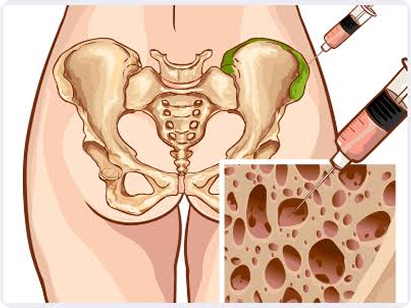
Platelet Lysate Therapy
Potential Benefits
- Supports the body's healing environment
- Helps manage symptoms
- Supports recovery
- Can complement rehabilitation
- Supports joint function
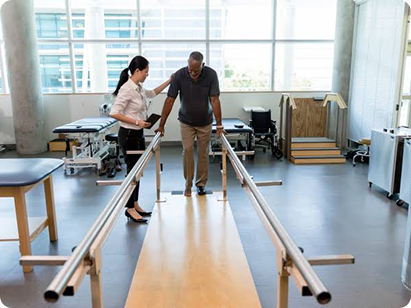
Physical Therapy and Rehabilitation
- Maintaining hip mobility
- Strengthening surrounding muscles
- Improving core strength
- Improving balance
- Improving gait mechanics
- Maintaining functional movement
- Managing joint loading
- Gradually progressing activity
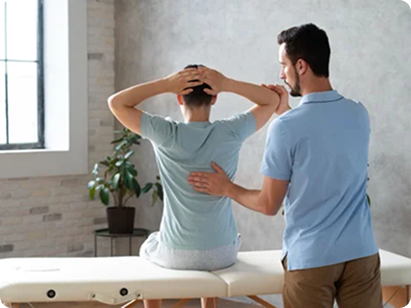
Activity Modification
Activity modification can help reduce excessive stress on the affected hip.
This can include:
- Reducing high-impact activity
- Limiting repetitive loading
- Modifying sports participation
- Using appropriate low-impact activities
- Following individualized weight-bearing instructions
- Gradually increasing activity under professional guidance
Who Is a Good Candidate for Non-Surgical AVN Treatment?
Non-surgical treatment can be considered for appropriate patients with:
A thorough clinical and imaging assessment is necessary before determining the appropriate treatment. Advanced AVN with substantial femoral head collapse, severe structural damage or advanced secondary arthritis requires detailed specialist assessment to determine whether surgical treatment is necessary.
1Early-stage AVN
2AVN without significant femoral head collapse
3Bone marrow changes associated with AVN
4 Persistent hip pain
5 Activity limitations
6 Patients seeking to preserve the natural hip
7 Patients seeking alternatives to core decompression
8 Patients who want to explore non-surgical treatment before surgery
Why Choose
RegenOrthoSport?
Specialized Hip Expertise
Our team focuses on hip conditions, AVN, joint preservation, sports injuries and regenerative orthopedic treatment.
Regenerative Medicine Focus
We provide image-guided regenerative treatments including Bone Marrow Concentrate (BMAC), High-Concentrated PRP, High Concentrated Platelets, Platelet Lysate and cell-based treatments for appropriate orthopedic conditions.
Personalized Treatment
Every treatment plan is based on the stage of AVN, lesion size and location, imaging findings, symptoms, activity level and overall hip health.
Advanced Diagnostics
Clinical examination, X-rays, MRI and functional assessment help establish an accurate understanding of the condition.
Rehabilitation Support
Structured rehabilitation helps maintain mobility, restore strength, improve movement mechanics and support functional recovery.
Focus on Joint Preservation
The goal is to preserve the natural hip and support joint function whenever non-surgical treatment is clinically appropriate.
Benefits of Non-Surgical AVN Treatment
- Focuses on preserving the natural hip
- Helps manage hip pain
- Supports hip function
- Supports mobility
- Can improve functional capacity
- Can incorporate regenerative orthopedic treatments
- Includes personalized rehabilitation
- Supports appropriate activity progression
- Focuses on joint preservation
- Can help patients explore treatment before surgery when clinically appropriate
Your Recovery
Within Days
Follow individualized activity and weight-bearing instructions based on the condition of the hip.
Within Weeks
Progress through mobility, strengthening and functional exercises under professional guidance.
Within Months
Continue building strength, mobility and functional capacity with gradual progression toward daily activities and exercise.
- Meet Our Orthopedic Stem Cell Specialists
Care led by experienced physicians
Dr. Venkatesh Movva
Founder, RegenOrthoSport
Dr. Venkatesh Movva is the Founder of RegenOrthoSport and a fellowship-trained Sports Medicine physician with board certification in Pain Management. With more than three decades of clinical experience, Dr. Movva has dedicated his career to advancing regenerative orthopedic medicine and helping patients find effective alternatives to surgery.
His expertise includes the treatment of knee arthritis, sports injuries, tendon and ligament disorders, spine conditions, and joint preservation procedures. Through a patient-centered approach, Dr. Movva focuses on restoring function, reducing pain, and helping patients maintain an active lifestyle while preserving their natural joints whenever possible.


Dr. Anand Alluru
Orthopedic & Regenerative Medicine Specialist
Dr. Anand Alluru is an Orthopedic and Regenerative Medicine specialist at RegenOrthoSport Hyderabad with advanced training in orthopedics, sports injuries, and joint preservation procedures. He is dedicated to helping patients explore non-surgical and minimally invasive alternatives to surgery through evidence-based regenerative orthopedic treatments.
- Voice of Trust
Testimonials
- Frequently Asked Questions
Frequently asked
questions
Can AVN be treated without core decompression?
What are the non-surgical alternatives to core decompression?
Can stem cell therapy help AVN?
Can BMAC replace core decompression?
Can High-Concentrated PRP treat AVN?
What is BMAC for AVN?
Can AVN be reversed without surgery?
Can exercise help with AVN?
Is walking safe with AVN?
Can AVN cause hip replacement?
Is MRI necessary for AVN?
Can X-rays detect early AVN?
What happens if AVN is left untreated?
Can Platelet Lysate help AVN?
Can AVN affect both hips?
How is the stage of AVN determined?
How long does non-surgical AVN treatment take?
Can regenerative medicine preserve the hip in AVN?
When is core decompression recommended?
Why choose RegenOrthoSport for non-surgical alternatives to core decompression?
Visit RegenOrthoSport Hyderabad
First Floor, Bilwa 45, Plot No 1057-A, Road No 45, Jubilee Hills, Hyderabad, Telangana 500033