
- REGENORTHOSPORT MUMBAI
Can Elbow Replacement Be Avoided?
Understanding Elbow Replacement
Common Symptoms
When Should You See an Elbow Specialist?
Conditions Associated With Elbow Replacement
Elbow Osteoarthritis

Symptoms
- Elbow pain
- Stiffness
- Swelling
- Clicking
- Reduced range of motion
- Pain during lifting
- Difficulty exercising
Causes
Diagnosis
Non-Surgical Treatment
Post-Traumatic Elbow Arthritis
Symptoms
- Chronic elbow pain
- Stiffness
- Swelling
- Reduced motion
- Pain during activity
- Weakness
Causes
Diagnosis
Non-Surgical Treatment
Rheumatoid Arthritis of the Elbow
Symptoms
- Elbow pain
- Swelling
- Stiffness
- Reduced movement
- Weakness
- Difficulty using the arm
Causes
Diagnosis
Non-Surgical Treatment
Severe Cartilage Damage
Symptoms
- Persistent joint pain
- Stiffness
- Grinding
- Swelling
- Reduced range of motion
- Pain during activity
Causes
Diagnosis
Non-Surgical Treatment
Signs You Shouldn't Ignore
- Persistent elbow pain
- Progressive stiffness
- Recurrent swelling
- Difficulty bending the elbow
- Difficulty straightening the elbow
- Grinding or clicking
- Reduced arm strength
- Pain while lifting
- Difficulty with daily activities
- Pain that continues despite conservative treatment
- Symptoms following an elbow injury
- Progressive loss of elbow function
How We Diagnose Elbow Problems Before Considering Replacement
Medical History
Physical Examination
X-Rays
MRI
Musculoskeletal Ultrasound
Functional Assessment
CT Scan
Non-Surgical Alternatives to Elbow Replacement
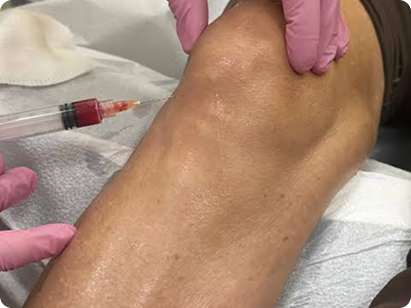
High-Concentrated PRP Therapy
How It Works
Potential Benefits
- Helps manage elbow pain
- Supports the body's healing environment
- Supports joint function
- Supports mobility
- Can complement rehabilitation
- Supports activity
- Uses the patient's own blood
Stem Cell Therapy
Ideal Candidates
- Elbow osteoarthritis
- Cartilage conditions
- Bone and joint conditions
- Post-traumatic joint degeneration
- Sports-related elbow injuries
- Persistent elbow pain
- Patients seeking alternatives to joint replacement
- Patients seeking to preserve natural joint structures
Procedure
Benefits
- Supports the body's healing environment
- Helps manage symptoms
- Supports elbow function
- Can complement rehabilitation
- Focuses on natural joint preservation
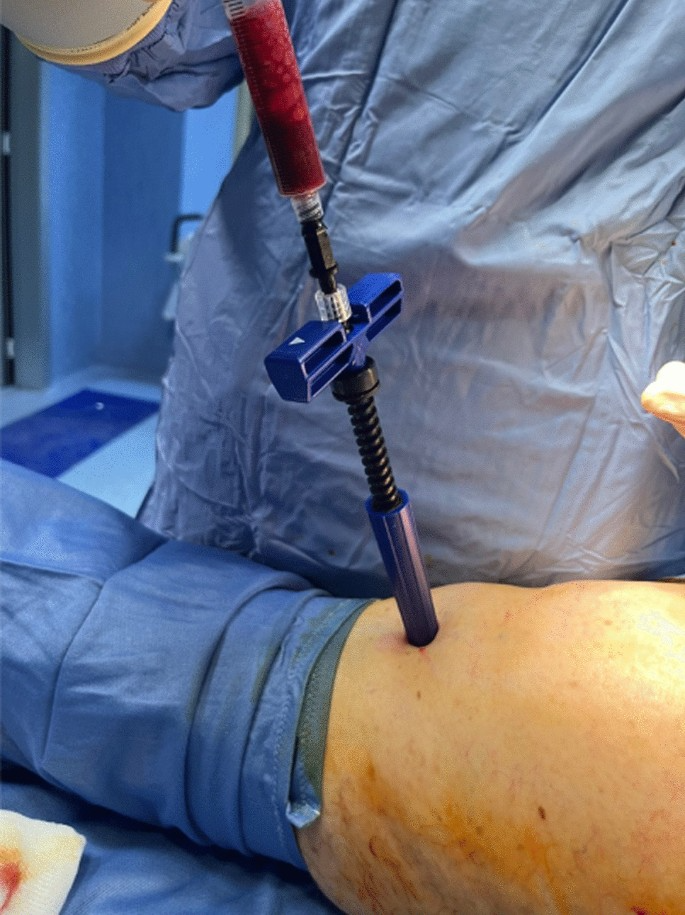
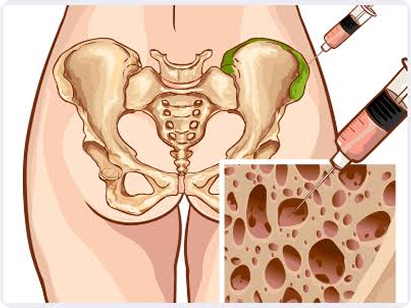
Bone Marrow Concentrate (BMAC)
Potential Benefits
- Supports tissue healing
- Helps manage elbow pain
- Supports joint function
- Supports recovery
- Can complement rehabilitation
- Supports joint-preservation strategies
Platelet Lysate Therapy
Potential Benefits
- Supports the body's healing environment
- Helps manage symptoms
- Supports joint function
- Supports recovery
- Can complement rehabilitation
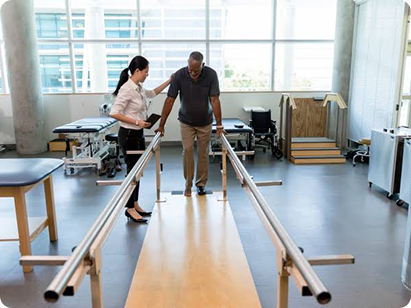
Physiotherapy and Rehabilitation
- Improving elbow mobility
- Strengthening the biceps
- Strengthening the triceps
- Improving forearm strength
- Improving grip strength
- Improving shoulder strength
- Improving joint stability
- Improving flexibility
- Improving movement mechanics
- Restoring functional strength
- Gradually returning to exercise
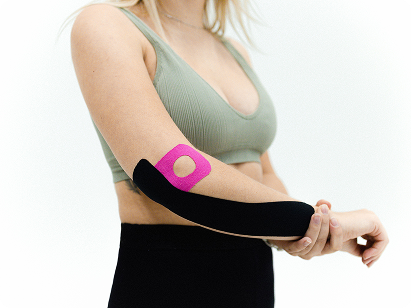
Bracing and Support
Elbow support can help manage symptoms and improve comfort during certain activities. Bracing can be combined with rehabilitation and activity modification when clinically appropriate.
Treatment can include:
- Activity-specific elbow support
- Joint support
- Movement modification
- Progressive strengthening
- Ergonomic adjustments

Activity Modification
Activity modification can reduce stress on a painful elbow while maintaining appropriate movement and strength.
This can include:
- Reducing repetitive elbow loading
- Modifying heavy lifting
- Avoiding painful movements
- Adjusting exercise technique
- Reducing high-impact upper-extremity activities
- Taking appropriate recovery periods
- Gradually increasing activity
Who Is a Good Candidate for Non-Surgical Elbow Treatment?
Non-surgical treatment can be considered for appropriate patients with:
A thorough clinical and imaging assessment is necessary before determining the appropriate treatment. Advanced joint destruction, severe bone loss, major instability or complex structural abnormalities require detailed specialist assessment.
1Early or moderate elbow osteoarthritis
2Cartilage damage
3Post-traumatic arthritis
4Chronic elbow pain
5Joint stiffness
6Sports-related elbow conditions
7Degenerative joint changes
8Patients seeking alternatives to elbow replacement
9Patients seeking to preserve natural joint structures
10Patients who want to explore non-surgical treatment before surgery
Why Choose
RegenOrthoSport?
Specialized Elbow Expertise
Our team focuses on elbow arthritis, sports injuries, joint preservation and regenerative orthopedic treatment.
Regenerative Medicine Focus
We provide image-guided regenerative treatments including High-Concentrated PRP, High Concentrated Platelets, BMAC, Platelet Lysate and cell-based treatments for appropriate orthopedic conditions.
Personalized Treatment
Every treatment plan is based on the underlying diagnosis, severity of joint damage, imaging findings, activity level and recovery goals.
Advanced Diagnostics
Clinical examination, X-rays, CT, MRI, ultrasound and functional assessment help establish an accurate understanding of the elbow condition.
Rehabilitation Support
Structured rehabilitation helps restore elbow strength, mobility, stability, movement mechanics and overall function.
Focus on Joint Preservation
The goal is to preserve natural elbow structures and support joint function whenever non-surgical treatment is clinically appropriate.
Benefits of Non-Surgical Elbow Treatment
- Helps manage elbow pain
- Supports joint function
- Supports mobility
- Improves strength
- Supports daily activities
- Can avoid immediate joint replacement when clinically appropriate
- Can incorporate regenerative orthopedic treatments
- Includes personalized rehabilitation
- Supports return to exercise
- Focuses on preserving natural elbow structures
Your Recovery
Within Days
Follow personalized activity instructions and modify movements that aggravate the elbow.
Within Weeks
Progress through mobility, strengthening and functional exercises under professional guidance.
Within Months
Continue building elbow strength, mobility and stability with gradual progression toward daily activities and exercise.

- Voice of Trust
Testimonials
- Frequently Asked Questions
Frequently asked
questions
What are the early signs of elbow arthritis?
Early elbow arthritis can cause pain with movement, stiffness, reduced range of motion, swelling and difficulty performing activities that require bending or straightening the arm.
Can elbow arthritis cause loss of motion?
Early elbow arthritis can cause pain with movement, stiffness, reduced range of motion, swelling and difficulty performing activities that require bending or straightening the arm.
Can bone spurs cause elbow pain?
Yes. Bone spurs can develop around an arthritic elbow and may contribute to pain, stiffness, restricted movement or difficulty fully bending or straightening the joint.
Can elbow arthritis cause clicking or grinding?
Arthritic changes can produce clicking, catching or grinding sensations as damaged joint surfaces and other structural changes affect normal elbow movement.
Can an old elbow injury lead to arthritis years later?
Yes. Previous fractures, dislocations, ligament injuries or other significant elbow injuries can contribute to post-traumatic arthritis later in life.
Can repetitive use damage the elbow joint?
Repeated loading and high-demand activities can place stress on the elbow and contribute to joint irritation, cartilage damage or degenerative changes, particularly when combined with previous injury.
Can elbow arthritis affect grip strength?
Elbow pain and restricted movement can interfere with activities requiring gripping, lifting or carrying. In some cases, associated nerve or tendon problems can also affect hand and forearm function.
Can elbow arthritis cause pain in the forearm?
Yes. Pain originating from the elbow can sometimes extend into the forearm, although forearm pain can also arise from tendon, muscle, nerve or other conditions that require separate evaluation.
Can elbow arthritis affect the ulnar nerve?
Arthritic changes and changes in the anatomy around the elbow can contribute to irritation or compression of the ulnar nerve, potentially causing numbness or tingling in the ring and little fingers.
What activities commonly aggravate elbow arthritis?
Activities involving repetitive lifting, pushing, pulling, throwing or prolonged elbow loading can aggravate symptoms. Activity modification can help reduce unnecessary stress on the joint.
Can elbow arthritis affect sleep?
Persistent elbow pain or stiffness can make certain sleeping positions uncomfortable and may interfere with sleep, particularly when the elbow remains in one position for an extended period.
Can an elbow injury cause arthritis even if the fracture has healed?
Yes. A healed fracture can still alter joint alignment or cartilage mechanics, which can contribute to post-traumatic degenerative changes over time.
How is elbow arthritis different from tennis elbow?
Elbow arthritis affects the joint and its cartilage, while tennis elbow primarily involves the tendons around the outer elbow. Their symptoms can overlap, so clinical evaluation helps identify the actual source of pain.
Can elbow arthritis occur in younger adults?
Yes. Younger adults can develop elbow arthritis following previous injuries, repetitive high-load activities, cartilage damage or certain underlying joint conditions.
Can elbow arthritis affect lifting and carrying?
Yes. Pain, stiffness and reduced elbow function can make lifting, carrying, pushing and pulling more difficult, particularly when the joint is significantly affected.
Can elbow arthritis cause difficulty fully straightening the arm?
Yes. Joint-space changes, bone spurs, cartilage damage and other structural changes can restrict elbow extension and make it difficult to fully straighten the arm.
What tests help determine the cause of elbow pain?
Evaluation can include a physical examination along with X-rays and, when indicated, MRI or other imaging studies. The doctor may also assess joint stability, range of motion, nerve function and surrounding tendons.
Can elbow instability contribute to joint damage?
Yes. Repeated instability or previous ligament injury can alter the way forces are distributed through the elbow and contribute to ongoing symptoms or degenerative changes.
Can elbow arthritis affect sports participation?
Elbow arthritis can interfere with throwing, racquet sports, weight training and other activities that place repeated demands on the joint. Treatment and activity modification are based on the individual’s condition and functional goals.
What should I expect during an elbow joint-preservation consultation?
Elbow arthritis can interfere with throwing, racquet sports, weight training and other activities that place repeated demands on the joint. Treatment and activity modification are based on the individual’s condition and functional goals.