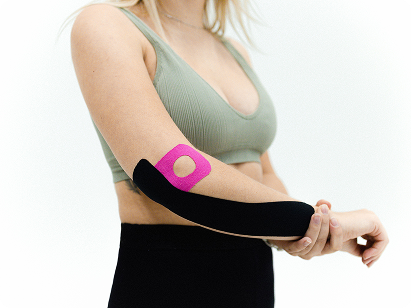
Non-Surgical Treatment for Tennis and Golfer’s Elbow

Explore advanced non-surgical treatment options for tennis elbow and golfer’s elbow commonly treated with surgery, designed to manage pain, improve elbow function, restore strength and support natural tendon health while avoiding immediate surgery when clinically appropriate.

Understanding Tennis/Golfer's Elbow Surgery

Tennis elbow and golfer’s elbow are tendon conditions that cause pain around the elbow due to irritation and degeneration of the tendons involved in wrist and forearm movement. Tennis elbow primarily affects the tendons on the outside of the elbow, while golfer’s elbow affects the tendons on the inside. Surgery is generally considered when persistent symptoms and functional limitations continue despite appropriate non-surgical treatment. However, not every patient with chronic elbow pain requires surgery. Treatment depends on the severity and duration of symptoms, tendon condition, activity level, strength, associated injuries and response to rehabilitation. A comprehensive evaluation helps determine whether non-surgical treatment can manage symptoms and improve elbow function.
What Can Cause Tennis or Golfer’s Elbow?

Common Symptoms

When Should You See an Elbow Specialist?

Seek a specialist evaluation if you experience:
Early assessment helps identify whether the pain is coming from the tendon, joint, nerve or another structure and whether non-surgical treatment is appropriate.

Conditions Associated With Tennis/Golfer's Elbow Surgery

Tennis Elbow

Symptoms

Causes

Tennis elbow, also called lateral epicondylitis, is commonly associated with repetitive loading of the tendons attached to the outside of the elbow.

Diagnosis

Clinical examination is usually central to diagnosis. Ultrasound and MRI can provide additional information about tendon structure and associated abnormalities.

Non-Surgical Treatment

Treatment can include strengthening, activity modification, bracing, rehabilitation, High-Concentrated PRP, High Concentrated Platelets (HCP), Platelet Lysate and other regenerative orthopedic approaches when clinically appropriate.

Symptoms

Causes

Golfer’s elbow, also called medial epicondylitis, is commonly associated with repetitive loading of the tendons attached to the inside of the elbow.

Diagnosis

Clinical examination, ultrasound and MRI can help evaluate the flexor-pronator tendon group and identify associated injuries.

Non-Surgical Treatment

Treatment can include progressive strengthening, activity modification, rehabilitation, bracing, High-Concentrated PRP, HCP, Platelet Lysate and other regenerative orthopedic treatments when clinically appropriate.

Symptoms

Causes

Chronic tendinopathy can develop when repetitive tendon loading exceeds the tissue’s ability to recover.

Diagnosis

Clinical examination combined with ultrasound or MRI can help assess tendon structure.

Non-Surgical Treatment

Treatment can include progressive tendon loading, rehabilitation, activity modification, High-Concentrated PRP, HCP, Platelet Lysate and other regenerative orthopedic approaches.

Symptoms

Causes

Partial tendon tears can occur from repetitive overload, sports injuries or sudden increases in activity.

Diagnosis

Ultrasound and MRI can help determine the extent of tendon damage.

Non-Surgical Treatment

Treatment can include rehabilitation, progressive strengthening, activity modification, High-Concentrated PRP, HCP, BMAC, Platelet Lysate and other regenerative orthopedic treatments based on the tendon condition.

Symptoms

Causes

Symptoms can persist when tendon loading, biomechanics, rehabilitation or the underlying diagnosis has not been adequately addressed.

Diagnosis

A comprehensive reassessment can include physical examination, ultrasound, MRI and functional evaluation.

Non-Surgical Treatment

Treatment focuses on identifying the underlying cause and can include rehabilitation, movement modification and appropriate regenerative orthopedic treatment.

Signs You Shouldn't Ignore

Persistent elbow pain should not be ignored, particularly when it affects grip strength, work, sports or daily activities.
Watch for:
A specialist evaluation helps determine whether the symptoms are related to tennis elbow, golfer’s elbow, tendon tearing or another elbow condition.

How We Diagnose Tennis/Golfer's Elbow Before Considering Surgery

Accurate diagnosis is essential before deciding whether surgery is necessary. At RegenOrthoSport, the elbow is evaluated to identify the affected tendon, severity of tissue damage and contributing movement or activity factors.

Medical History

The evaluation includes symptom duration, occupation, sports participation, repetitive activities, previous injuries and treatments.

Physical Examination

The elbow and wrist are assessed for tenderness, range of motion, grip strength, pain during resisted movements and functional limitations.

X-Rays

X-rays can help identify arthritis, bone abnormalities or other structural causes of elbow pain when indicated.

MRI

MRI provides detailed information about tendon structure and can identify partial tears, associated joint problems and other soft-tissue abnormalities.

Musculoskeletal Ultrasound

Ultrasound can evaluate tendon structure dynamically and identify tendon thickening, degeneration, partial tears and other abnormalities.

Functional Assessment

Grip strength, wrist strength, elbow mobility, movement mechanics and activity-specific limitations are evaluated to understand the effect of the condition on function.

Non-Surgical Alternatives to Tennis/Golfer's Elbow Surgery
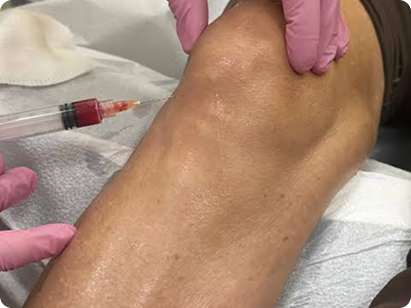
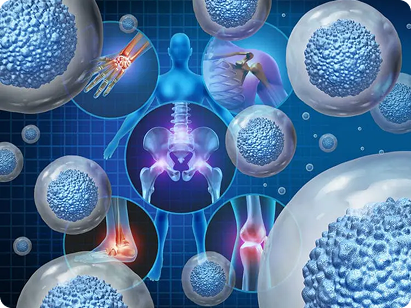
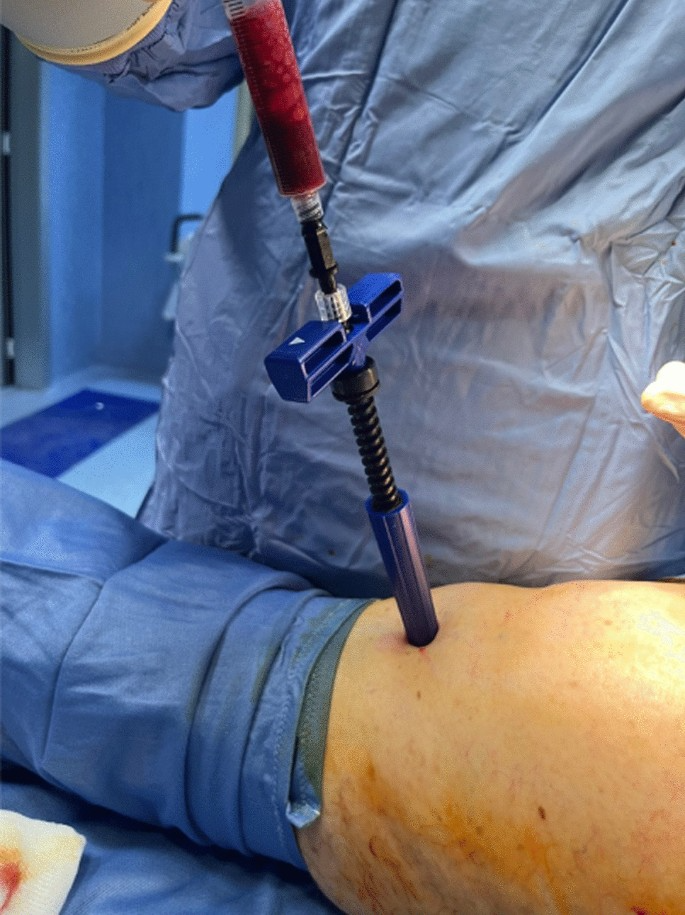
High-Concentrated PRP Therapy

How It Works

High-Concentrated PRP or High Concentrated Platelets uses a concentrated preparation of the patient’s own blood platelets. It can be delivered to the affected tendon using image guidance when clinically appropriate.

Potential Benefits

High-Concentrated PRP does not surgically reattach a completely ruptured tendon.

Stem Cell Therapy

Ideal Candidates

Cell-based treatment can be considered for appropriate patients with:

Procedure

A cell-based preparation is collected from an appropriate source, processed and delivered to the affected area using image guidance when clinically appropriate.

Benefits

Treatment is based on the severity of tendon damage, imaging findings, activity level and functional requirements.

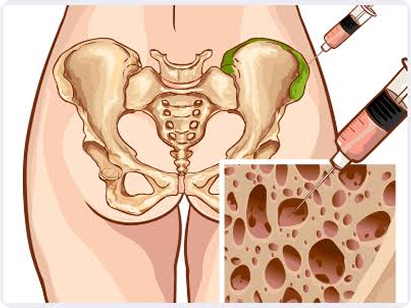
Bone Marrow Concentrate (BMAC)

Bone Marrow Concentrate is prepared from the patient’s own bone marrow and contains concentrated cells and other components that support the body’s healing environment. It can be considered for appropriate bone, cartilage and joint conditions involving the elbow.

Potential Benefits

BMAC does not mechanically repair a completely ruptured tendon.

Platelet Lysate Therapy

Platelet Lysate is a preparation containing concentrated growth factors derived from platelets. It can be considered for appropriate tendon, ligament, cartilage, joint and other musculoskeletal conditions.

Potential Benefits

The doctor determines whether Platelet Lysate is appropriate based on the tendon condition and imaging findings.

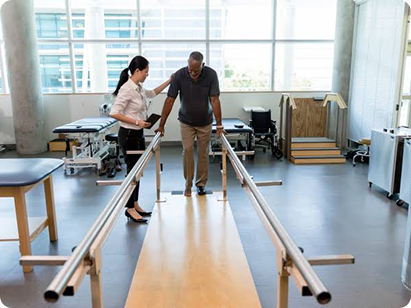
Physiotherapy and Rehabilitation

Rehabilitation is a key component of non-surgical treatment for tennis and golfer’s elbow. A structured program can focus on:
The rehabilitation program is customized according to the affected tendon and the patient’s functional goals.

Bracing and Support

An elbow brace or counterforce strap can help reduce stress on the affected tendon during certain activities. Bracing can be combined with rehabilitation and activity modification when clinically appropriate.


Treatment can include:

Activity Modification

Activity modification can reduce excessive tendon loading while maintaining appropriate movement.


This can include:

Who Is a Good Candidate for Non-Surgical Elbow Treatment?

Non-surgical treatment can be considered for appropriate patients with:


A thorough clinical and imaging assessment is necessary before determining the appropriate treatment. Complete tendon rupture, major structural damage, significant nerve involvement or persistent functional loss requires detailed specialist assessment.

1Tennis elbow

2Golfer's elbow

3Chronic elbow tendinopathy

4Partial tendon tears

5Sports-related elbow injuries

6Repetitive-use tendon conditions

7Persistent elbow pain

8Reduced grip strength

9Patients seeking alternatives to elbow surgery

10Patients seeking to preserve natural tendon structures

11Patients who want to explore non-surgical treatment before surgery

Why Choose
RegenOrthoSport?

Choosing the right treatment for tennis or golfer’s elbow starts with an accurate diagnosis. At RegenOrthoSport, the focus is on understanding tendon condition, elbow function, activity demands and contributing movement factors before recommending treatment.

Specialized Elbow Expertise

Our team focuses on elbow conditions, tendon injuries, sports injuries, joint preservation and regenerative orthopedic treatment.

Regenerative Medicine Focus

We provide image-guided regenerative treatments including High-Concentrated PRP, High Concentrated Platelets, BMAC, Platelet Lysate and cell-based treatments for appropriate orthopedic conditions.

Personalized Treatment

Every treatment plan is based on the type and severity of tendon damage, imaging findings, activity level, symptoms and recovery goals.

Advanced Diagnostics

Clinical examination, X-rays, ultrasound, MRI and functional assessment help establish an accurate understanding of the elbow condition.

Rehabilitation Support

Structured rehabilitation helps restore tendon capacity, grip strength, elbow mobility, movement mechanics and overall function.

Focus on Natural Tendon Preservation

The goal is to manage symptoms, improve elbow function and preserve natural tendon structures whenever non-surgical treatment is clinically appropriate.

Benefits of Non-Surgical Elbow Treatment

Why Consider Non-Surgical Treatment?

Your Recovery

Within Days

Follow personalized activity instructions and reduce movements that significantly aggravate the tendon.

Within Weeks

Progress through mobility, strengthening and progressive tendon-loading exercises under professional guidance.

Within Months

Continue building tendon capacity, grip strength and functional performance with gradual progression toward work, exercise and sports.
Testimonials

Frequently asked
questions

Can tennis elbow surgery be avoided?
Yes. Appropriate tennis elbow cases can be managed with rehabilitation, activity modification, bracing and other non-surgical treatments depending on the severity and duration of symptoms.
Yes. Rehabilitation, progressive strengthening, activity modification and appropriate regenerative orthopedic treatments can be considered for suitable patients.
Options can include physiotherapy, activity modification, bracing, High-Concentrated PRP, High Concentrated Platelets, Platelet Lysate and other regenerative orthopedic approaches.
High-Concentrated PRP can help manage symptoms and support the body’s healing environment in appropriate tendon conditions. It can be combined with a structured rehabilitation program.
Yes. High-Concentrated PRP can be considered for appropriate medial elbow tendon conditions and can complement progressive rehabilitation.
Cell-based treatment can be considered for appropriate tendon and associated joint conditions. It does not mechanically repair every completely ruptured tendon.
BMAC can be considered for appropriate bone, cartilage and joint conditions associated with elbow problems. The doctor determines whether it is appropriate after evaluating the specific diagnosis.
Platelet Lysate can be considered for appropriate tendon and other musculoskeletal conditions and can complement rehabilitation.
A structured rehabilitation program can improve tendon capacity, strength, movement mechanics and function in appropriate cases. Treatment depends on the severity and underlying tendon condition.
Tennis elbow commonly develops from repetitive loading of the tendons on the outside of the elbow. Racquet sports, gripping, lifting and repetitive work can contribute to tendon overload.
Golfer’s elbow commonly develops from repetitive loading of the tendons on the inside of the elbow. Golf, throwing, lifting and repetitive gripping can contribute to tendon overload.
Appropriate exercise can be performed with modifications and progressive tendon loading. Exercises that significantly aggravate symptoms should be adjusted.
Diagnosis is primarily based on clinical examination. Ultrasound or MRI can provide additional information about tendon degeneration or partial tearing.
Clinical examination is central to diagnosis. Ultrasound and MRI can help evaluate the flexor-pronator tendons and identify associated injuries.
Appropriate partial tendon tears can be managed non-surgically with rehabilitation, activity modification and selected treatments based on the severity of the injury.
Surgery can be considered when persistent symptoms and functional limitations continue despite appropriate non-surgical treatment or when significant structural tendon damage is present.
Recovery depends on the severity and duration of the tendon condition, treatment approach and rehabilitation progress. A personalized recovery plan is developed after evaluation.
Rehabilitation is an important part of recovery for many tendon conditions. A progressive program can help restore tendon capacity, grip strength and functional movement.
Regenerative orthopedic treatments can support symptom management and tissue function in appropriate cases. Whether surgery can be avoided depends on the underlying tendon condition and structural damage.
RegenOrthoSport provides comprehensive elbow evaluations, advanced imaging, image-guided regenerative treatments and structured rehabilitation. Dr. Venkatesh Movva evaluates the affected tendon, elbow function, imaging findings, activity requirements and overall condition before recommending the most appropriate treatment.

Visit RegenOrthoSport Mumbai

1610, 16th Floor, C Wing, ONE BKC, G Block BKC, Bandra Kurla Complex, Bandra East, Mumbai, Maharashtra, 400051

Orthopedic Main Web Form