Non-Surgical Alternatives To Hip Revision Surgery

Explore advanced non-surgical treatment options for knee conditions commonly treated with osteotomy around the knee, designed to manage pain, improve knee function, support mobility and preserve natural joint structures without immediate corrective bone surgery.

Understanding Hip Revision Surgery

Hip revision surgery is a procedure performed to address complications or problems involving a previous hip replacement. Revision can be considered when an implant becomes loose, wears down, becomes unstable, gets infected or causes persistent symptoms. However, not every patient with pain after hip replacement requires immediate revision surgery. The appropriate treatment depends on the cause of symptoms, implant stability, bone condition, infection status, soft-tissue health, alignment and overall hip function. A comprehensive evaluation helps determine whether the problem can be managed non-surgically or whether revision surgery is necessary.
What Can Cause Problems After Hip Replacement?

Common Symptoms That Can Lead to Hip Revision Evaluation

When Should You See a Hip Specialist?

Seek specialist evaluation if you experience:
A detailed evaluation is important because pain following hip replacement can have several different causes and requires accurate diagnosis before considering revision surgery.

Conditions Associated With Hip Revision Surgery

Painful Hip Replacement

Symptoms

Causes

Pain after hip replacement can result from implant-related problems, infection, soft-tissue conditions, muscle weakness, altered biomechanics or other causes.

Diagnosis

Clinical examination, X-rays, laboratory testing and advanced imaging can help determine the source of symptoms.

Non-Surgical Treatment

Treatment can include rehabilitation, activity modification, targeted injections and regenerative orthopedic approaches for appropriate surrounding soft-tissue or joint conditions after implant-related complications have been evaluated.

Symptoms

Causes

An implant can loosen over time due to mechanical or biological factors.

Diagnosis

X-rays and additional imaging can help assess implant positioning and surrounding bone. Laboratory testing may be necessary when infection is a concern.

Non-Surgical Treatment

The appropriate approach depends on the degree of loosening and bone condition. Non-surgical management can focus on symptom control and functional support when revision is not immediately required.

Symptoms

Causes

Instability can be associated with implant positioning, muscle weakness, soft-tissue problems or altered biomechanics.

Diagnosis

Clinical assessment and imaging help evaluate implant position, hip stability and surrounding structures.

Non-Surgical Treatment

Rehabilitation can focus on strengthening, movement control, balance and functional stability. Recurrent dislocation or significant mechanical instability requires specialist assessment for revision.

Symptoms

Causes

Tendon irritation, muscle weakness, bursitis and soft-tissue dysfunction can contribute to pain following hip replacement.

Diagnosis

Clinical examination and musculoskeletal ultrasound or MRI can help evaluate surrounding soft tissues when appropriate.

Non-Surgical Treatment

Treatment can include physical therapy, activity modification, image-guided injections and regenerative orthopedic treatments for appropriate soft-tissue conditions.

Symptoms

Causes

Long-term wear of implant components can contribute to inflammation and bone loss around the prosthesis.

Diagnosis

X-rays and advanced imaging help evaluate implant condition and surrounding bone.

Non-Surgical Treatment

Management depends on the extent of wear and bone loss. Regular monitoring, activity modification and symptom management can be considered when immediate revision is not required.

Signs You Shouldn't Ignore

Persistent or new symptoms after hip replacement should not be ignored. They can indicate implant-related problems, infection, soft-tissue dysfunction or other complications requiring evaluation.
Watch for:
Early evaluation helps identify the cause and determine whether non-surgical treatment is appropriate or revision surgery is necessary.

How We Diagnose Hip Problems Before Revision Surgery

Accurate diagnosis is essential before deciding whether revision surgery is necessary. At RegenOrthoSport, the hip is evaluated comprehensively to identify implant-related, bone, joint, muscle and soft-tissue problems.

Medical History

The evaluation includes the date of the original hip replacement, type of implant when available, previous complications, activity level, pain pattern and previous treatments.

Physical Examination

The hip is assessed for strength, range of motion, stability, gait, tenderness and pain during specific movements.

X-Rays

X-rays help evaluate implant position, alignment, loosening, wear, bone changes and other structural abnormalities.

MRI

Specialized MRI techniques can evaluate certain soft-tissue structures and complications around hip implants.

Ultrasound

Musculoskeletal ultrasound can evaluate certain tendons, muscles and surrounding soft tissues and can support image-guided treatment when clinically appropriate.

Functional Assessment

Strength, gait, balance, mobility and activity limitations are evaluated to understand how the hip problem affects function.

CT Scan

CT can provide detailed information about implant positioning, bone loss and complex structural problems when required.

Laboratory Testing

Blood tests and other investigations can be used when infection is suspected.

Non-Surgical Alternatives to Hip Revision Surgery
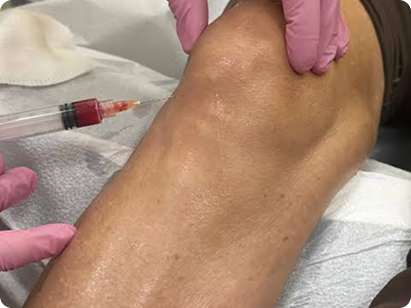
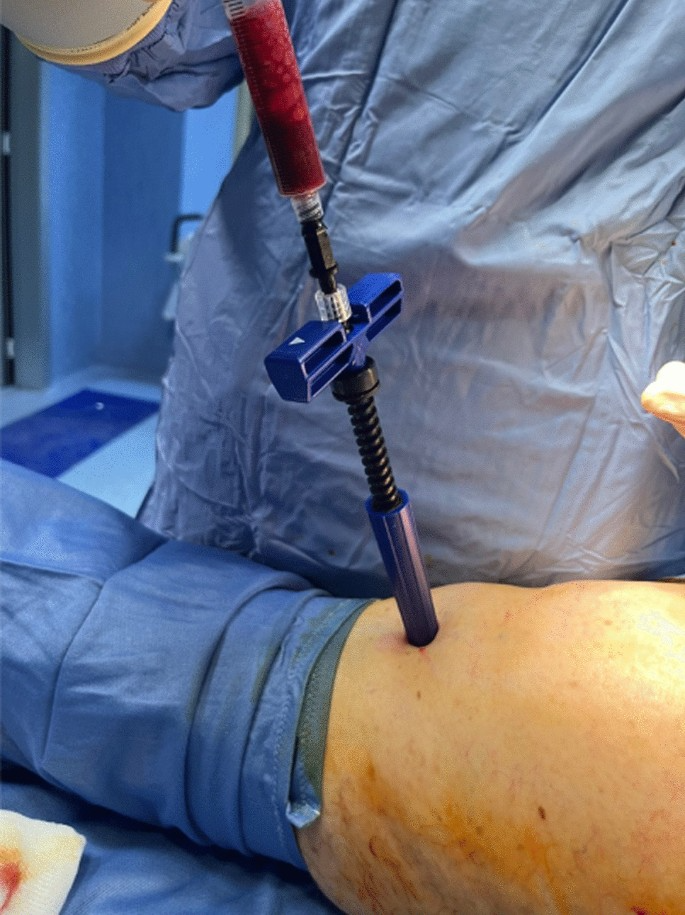
High-Concentrated PRP Therapy

High-Concentrated PRP or High Concentrated Platelets uses a concentrated preparation of the patient’s own blood platelets. It can be considered for certain soft-tissue conditions around the hip when the implant itself is stable and infection or mechanical failure has been appropriately evaluated.

Potential Benefits

High-Concentrated PRP does not repair a loose or failed implant and is not a replacement for revision surgery when mechanical correction is required.

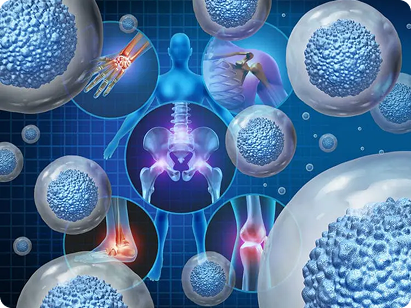
Stem Cell Therapy

Ideal Candidates

Cell-based treatment can be considered for appropriate musculoskeletal conditions involving:

Procedure

A cell-based preparation is collected from an appropriate source, processed and delivered to the appropriate treatment area using image guidance when clinically appropriate.

Benefits

Treatment suitability depends on the underlying cause of pain and the condition of the implant.

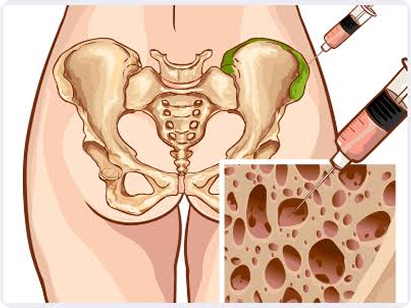
Bone Marrow Concentrate (BMAC)

Bone Marrow Concentrate is prepared from the patient’s own bone marrow and contains concentrated cells and other components. It can be considered for selected bone, joint or soft-tissue conditions following a detailed evaluation.

Potential Benefits

BMAC does not stabilize or replace a failed hip implant.

Platelet Lysate Therapy

Platelet Lysate is a preparation containing concentrated growth factors derived from platelets. It can be considered for appropriate tendon, ligament, muscle, joint and other musculoskeletal conditions.

Potential Benefits

The doctor determines whether Platelet Lysate is appropriate based on the diagnosis and imaging findings.

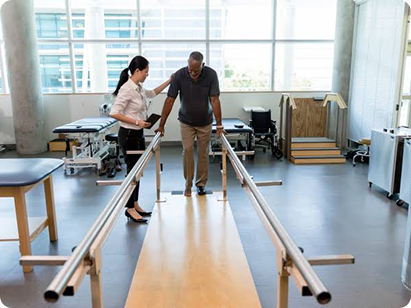
Physiotherapy and Rehabilitation

Rehabilitation can be an important part of managing pain and functional limitations after hip replacement when the implant is stable and no urgent surgical complication is present.


A structured program can focus on:

Activity Modification

Modifying activities can help reduce stress on the hip and surrounding tissues while maintaining appropriate movement.


This can include:

Who Is a Good Candidate for Non-Surgical Hip Revision Treatment?

Non-surgical treatment can be considered for appropriate patients with:


A thorough clinical and imaging assessment is necessary before determining the appropriate treatment. Suspected infection, significant implant loosening, recurrent dislocation, severe bone loss, periprosthetic fracture or mechanical implant failure requires specialist evaluation and can require revision surgery.

1Stable hip implants

2Soft-tissue pain around the hip

3Tendon-related problems

4Muscle weakness

5Functional limitations

6Rehabilitation needs

7Persistent pain without clear implant failure

8Patients seeking to explore non-surgical treatment before revision

Why Choose
RegenOrthoSport?

Choosing the right treatment for pain after hip replacement starts with identifying the underlying cause. At RegenOrthoSport, the focus is on evaluating the implant, surrounding bone, soft tissues, movement mechanics and functional requirements before recommending treatment.

Specialized Hip Expertise

Our team focuses on hip conditions, post-surgical pain, joint preservation, sports injuries and regenerative orthopedic treatment.

Regenerative Medicine Focus

We provide image-guided regenerative treatments including High-Concentrated PRP, High Concentrated Platelets, BMAC, Platelet Lysate and cell-based treatments for appropriate orthopedic conditions.

Personalized Treatment

Every treatment plan is based on the cause of symptoms, implant stability, imaging findings, soft-tissue condition, activity level and recovery goals.

Advanced Diagnostics

Clinical examination, X-rays, CT, MRI, ultrasound, laboratory testing and functional assessment help establish an accurate understanding of post-replacement hip problems.

Rehabilitation Support

Structured rehabilitation helps restore strength, mobility, balance, gait and functional movement.

Focus on Avoiding Unnecessary Surgery

The goal is to identify the actual source of symptoms and use appropriate non-surgical treatment whenever revision surgery is not clinically required.

Benefits of Non-Surgical Hip Treatment After Hip Replacement

Why Consider Non-Surgical Treatment?

Your Recovery

Within Days

Follow personalized activity recommendations and begin appropriate symptom-management strategies.

Within Weeks

Progress through mobility, strengthening and functional exercises under professional guidance.

Within Months

Continue building strength, stability and mobility with gradual progression toward daily activities and exercise.

Testimonials

Frequently asked
questions

Can hip revision surgery be avoided?
In appropriate cases, yes. If the implant is stable and symptoms are caused by soft-tissue problems, muscle weakness or other non-mechanical conditions, non-surgical treatment can be considered.
Options can include physical therapy, strengthening, activity modification, image-guided injections, High-Concentrated PRP, High Concentrated Platelets, BMAC, Platelet Lysate and cell-based treatments for appropriate conditions.
High-Concentrated PRP can be considered for certain tendon and soft-tissue conditions around a stable hip replacement. It does not repair a loose or failed implant.
Cell-based treatments can be considered for appropriate soft-tissue, bone or musculoskeletal conditions. They cannot correct significant implant loosening, infection or mechanical failure.
BMAC does not replace a failed or loose hip implant. It can be considered for selected bone, joint or soft-tissue conditions when the implant itself is stable.
BMAC stands for Bone Marrow Aspirate Concentrate. It is prepared from the patient’s own bone marrow and can be considered for appropriate musculoskeletal conditions following detailed evaluation.
Platelet Lysate can be considered for appropriate tendon, muscle, ligament and other soft-tissue conditions contributing to symptoms after hip replacement.
When the implant is stable and symptoms are related to weakness, movement dysfunction or soft-tissue problems, rehabilitation can improve strength, stability, mobility and function.
Possible causes include implant wear, loosening, infection, instability, soft-tissue problems, muscle weakness, altered biomechanics and other conditions. Diagnostic evaluation is necessary to identify the cause.
Progressive pain, particularly pain with weight-bearing, can be associated with loosening. X-rays and additional imaging help evaluate implant stability.
Significant implant loosening generally requires specialist assessment and can require revision surgery. Non-surgical treatment can help manage symptoms in specific circumstances but does not mechanically stabilize a failed implant.
Mild instability associated with weakness or movement dysfunction can sometimes be addressed with rehabilitation. Recurrent dislocation or significant mechanical instability requires specialist evaluation.
Suspected infection requires prompt specialist assessment and appropriate medical or surgical treatment. Regenerative injections should not be used before infection has been properly evaluated.
Yes, when the implant is stable and the underlying symptoms have been evaluated. A personalized exercise program can improve strength, mobility and function.
MRI can be performed with many modern hip implants, but implant information should be reviewed before imaging. Specialized MRI protocols can be used when appropriate.
Yes. CT can provide detailed information about implant positioning, bone loss and certain structural abnormalities.
Recovery varies according to the underlying cause, treatment approach, implant condition and rehabilitation progress. A personalized recovery plan is developed after evaluation.
Regenerative orthopedic treatments do not repair or replace a failed implant. They can support appropriate surrounding soft-tissue or musculoskeletal conditions when the implant is stable.
Revision can be necessary for significant implant loosening, infection, recurrent dislocation, severe wear, substantial bone loss, fracture or other mechanical complications that cannot be appropriately managed without surgery.
RegenOrthoSport provides comprehensive evaluation, advanced imaging, image-guided regenerative treatments and structured rehabilitation. Dr. Venkatesh Movva evaluates the implant, surrounding tissues, bone condition, symptoms and functional requirements before recommending the most appropriate treatment.

Visit RegenOrthoSport Mumbai

1610, 16th Floor, C Wing, ONE BKC, G Block BKC, Bandra Kurla Complex, Bandra East, Mumbai, Maharashtra, 400051

Orthopedic Main Web Form