
- REGENORTHOSPORT MUMBAI
Non-Surgical Alternatives to Meniscectomy
Explore advanced treatment options for meniscus injuries designed to manage knee pain, improve function and support natural healing without immediate meniscectomy surgery.
Understanding Meniscectomy
A meniscectomy is a surgical procedure in which part or all of a damaged meniscus is removed. The menisci are two crescent-shaped pieces of cartilage located between the thighbone and shinbone. They help absorb shock, distribute load and contribute to knee stability.
A meniscus tear does not automatically require a meniscectomy. The appropriate treatment depends on the type, location and severity of the tear, the patient’s symptoms, knee stability and the presence of associated cartilage or ligament injuries.
A thorough evaluation helps determine whether the meniscus can be managed with non-surgical treatment and whether preserving as much of the natural meniscus as possible is appropriate.
Sudden twisting of the knee
Sports injuries
Deep squatting
Awkward landing
Direct impact
Repetitive knee stress
Age-related degeneration
Previous knee injuries
Common Symptoms of a Meniscus Tear
When Should You See a Knee Specialist?
Conditions Associated With Meniscectomy
Degenerative Meniscus Tear

Symptoms
- Gradual knee pain
- Stiffness
- Swelling
- Clicking
- Pain while squatting
- Difficulty with prolonged walking
Causes
Diagnosis
Non-Surgical Treatment
Traumatic Meniscus Tear
Symptoms
- Sudden knee pain
- Swelling
- Clicking
- Catching
- Locking
- Pain during twisting movements
Causes
Diagnosis
Non-Surgical Treatment
Meniscus Tear With Cartilage Damage
Symptoms
- Persistent knee pain
- Swelling
- Stiffness
- Reduced range of motion
- Pain during activity
Causes
Diagnosis
Non-Surgical Treatment
Meniscus Tear With Ligament Injury
Symptoms
- Knee instability
- Pain
- Swelling
- Clicking or catching
- Difficulty changing direction
- Feeling that the knee may give way
Causes
Diagnosis
Non-Surgical Treatment
Signs You Shouldn't Ignore
- Persistent knee pain
- Repeated swelling
- Clicking
- Catching
- Locking
- Difficulty bending the knee
- Difficulty straightening the knee
- Pain while twisting
- Knee instability
- Difficulty walking
- Difficulty participating in sports
- Pain that continues despite rest
How We Diagnose Meniscus Problems Before Surgery
Medical History
Physical Examination
X-rays
MRI
Functional Assessment
Non-Surgical Alternatives to Meniscectomy
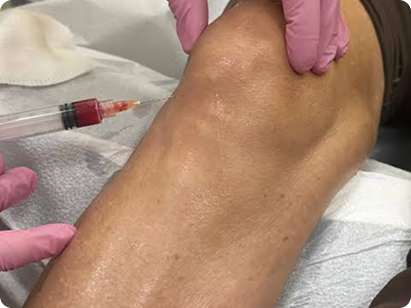
High-Concentrated PRP Therapy
How It Works
High-Concentrated PRP uses a concentrated preparation of the patient’s own platelets. Platelets contain growth factors that support the body’s natural healing response. The treatment is delivered to the appropriate area using an appropriate injection technique.
Benefits
- Helps manage knee pain
- Supports the body's healing environment
- Supports knee function
- Uses the patient's own blood
- Can be incorporated into rehabilitation
Recovery
Stem Cell Therapy
Ideal Candidates
- Certain meniscus injuries
- Degenerative meniscus problems
- Associated cartilage damage
- Knee osteoarthritis
- Joint degeneration
- Sports-related knee injuries
- Patients seeking non-surgical treatment options
Procedure
Benefits
- Supports the body's healing environment
- Helps manage symptoms
- Supports joint function
- Can complement rehabilitation
- Focuses on preserving the natural knee
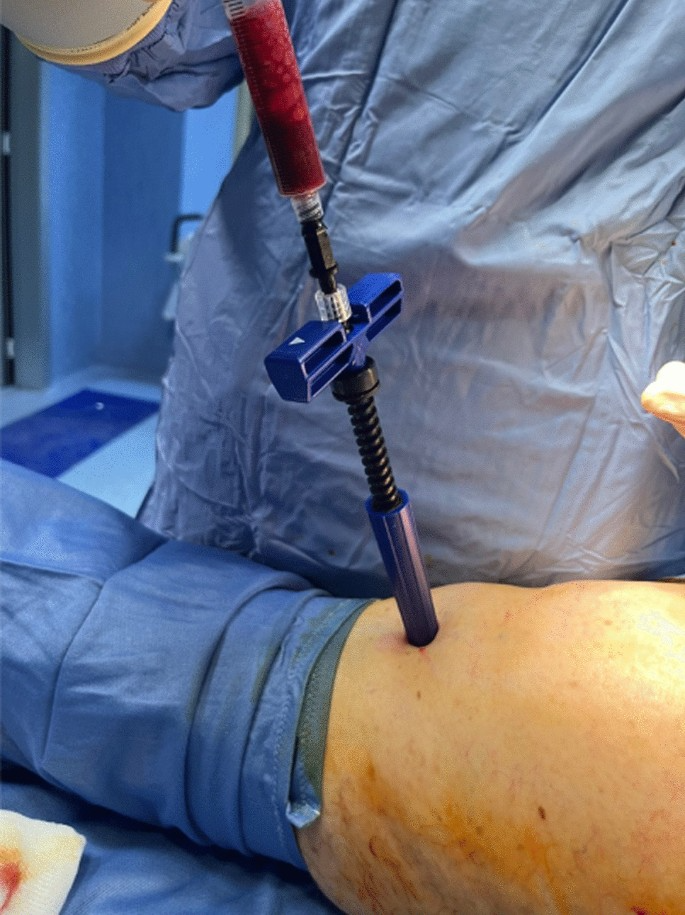
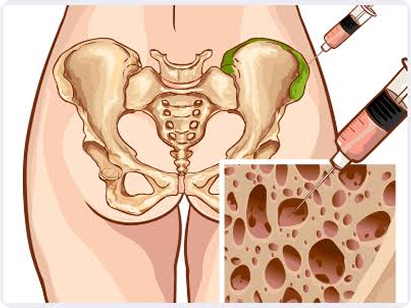
Bone Marrow Concentrate (BMAC)
Bone Marrow Concentrate is a regenerative orthopedic treatment prepared from the patient’s own bone marrow. It contains concentrated cells and other components that support the body’s healing environment.
BMAC can be considered for appropriate meniscus, cartilage and joint conditions following a detailed evaluation.
Potential Benefits
- Supports tissue healing
- Helps manage pain
- Supports joint function
- Supports recovery
- Focuses on natural joint preservation
Platelet Lysate Therapy
Potential Benefits
- Supports tissue healing
- Helps manage symptoms
- Supports recovery
- Can complement rehabilitation
- Supports the body's natural healing environment
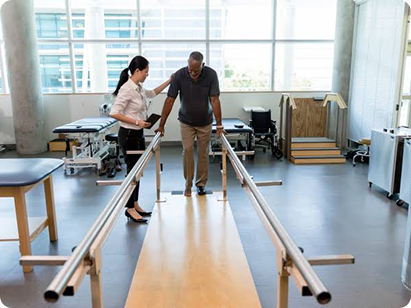
Physiotherapy and Rehabilitation
- Restoring knee range of motion
- Strengthening the quadriceps
- Strengthening the hamstrings
- Improving hip and core strength
- Improving balance
- Developing better movement patterns
- Gradually returning to daily activities and sports
Who Is a Good Candidate for Non-Surgical Meniscus Treatment?
Non-surgical treatment can be considered for appropriate patients with:
A thorough clinical and imaging assessment is necessary before determining the appropriate treatment.
1Certain partial meniscus tears
2Degenerative meniscus tears
3Stable knee function
4Meniscus injuries without significant mechanical obstruction
5 Associated cartilage problems
6 Sports-related meniscus injuries
7 Persistent knee pain
8 Patients seeking to preserve the natural meniscus
9Patients who want to explore non-surgical treatment before surgery
Why Choose
RegenOrthoSport?
Specialized Orthopedic Expertise
Our team focuses on sports injuries, meniscus conditions, joint preservation and regenerative orthopedic treatment.
Regenerative Medicine Focus
We provide image-guided regenerative treatments including High-Concentrated PRP , Bone Marrow Concentrate (BMAC), Platelet Lysate and cell-based treatments for appropriate orthopedic conditions.
Personalized Treatment
Every treatment plan is based on the type and location of the meniscus tear, symptoms, activity level, associated injuries and recovery goals.
Advanced Diagnostics
Clinical examination, X-rays, MRI and functional assessment help establish an accurate understanding of the knee.
Rehabilitation Support
Structured rehabilitation helps restore strength, mobility, stability and overall knee function.
Focus on Joint Preservation
The goal is to preserve the natural knee and meniscus whenever non-surgical treatment is clinically appropriate.
Benefits of Non-Surgical Meniscus Treatment
- Focuses on preserving the natural meniscus
- Helps manage knee pain
- Supports knee function
- Avoids immediate meniscus removal when clinically appropriate
- Can incorporate regenerative orthopedic treatments
- Includes personalized rehabilitation
- Supports long-term joint preservation
Your Recovery
Within Days
Follow personalized activity instructions and focus on protecting the knee while controlling symptoms.
Within Weeks
Progress through mobility, strengthening and functional exercises under professional guidance.
Within Months
Continue building strength, stability and functional capacity with gradual progression toward daily activities and sports.

- Voice of Trust
Testimonials
- Frequently Asked Questions
Frequently asked
questions
What are the different types of meniscus tears?
Meniscus tears can have different patterns, including horizontal, vertical, radial, complex, flap and bucket-handle tears. The location and pattern of the tear help determine the appropriate treatment approach.
Does the location of a meniscus tear affect treatment?
Yes. The location of the tear is important because different areas of the meniscus have different blood supplies and healing potential. MRI findings and clinical examination help determine the treatment approach.
What is a radial meniscus tear?
A radial tear extends from the inner edge of the meniscus toward its outer portion. Its size, location and effect on meniscus function are considered when planning treatment.
What is a horizontal meniscus tear?
A horizontal tear runs along the layers of the meniscus and can sometimes be associated with a meniscal cyst. Treatment depends on the symptoms, tear characteristics and condition of the surrounding knee.
What is a bucket-handle meniscus tear?
A bucket-handle tear is a displaced type of meniscus tear in which a portion of the meniscus can move toward the center of the knee. Symptoms such as locking or restricted movement require detailed orthopedic evaluation.
What is a meniscus root tear?
A meniscus root tear involves the attachment of the meniscus to the tibia. Because the root helps the meniscus distribute load across the knee, a root injury requires careful assessment of the meniscus, cartilage and overall knee alignment.
What does a meniscus tear feel like?
Common symptoms include pain along the joint line, swelling, stiffness, clicking, catching and discomfort during twisting or squatting. Symptoms vary according to the type and location of the tear.
Why does my knee click after a meniscus tear?
Clicking can occur when the injured meniscus or other structures within the knee move during joint motion. Persistent clicking associated with pain, catching or restricted movement should be evaluated.
Can a meniscus tear cause knee swelling?
Yes. A meniscus injury can cause inflammation and swelling within or around the knee. Recurrent swelling can also occur when other structures, such as cartilage or ligaments, are involved.
Can a meniscus tear cause knee locking?
Certain meniscus tears can cause mechanical catching or locking, particularly when a portion of the torn meniscus becomes displaced. A knee that remains locked or cannot fully straighten requires prompt medical evaluation.
Can I walk normally with a meniscus tear?
Some people can walk normally despite having a meniscus tear, while others experience pain, swelling, stiffness or difficulty bearing weight. Walking ability does not by itself determine the severity of the injury.
Can a meniscus tear occur without a sports injury?
Yes. Meniscus tears can occur from twisting or sudden loading of the knee, while degenerative changes can also make the meniscus more susceptible to tearing over time.
Can an old meniscus tear become painful again?
Yes. Symptoms can recur after an older meniscus injury, particularly with changes in activity, additional knee injury or progression of degenerative changes. A clinical evaluation can help identify the cause of renewed symptoms.
Can a meniscus tear occur together with an ACL injury?
Yes. Meniscus injuries can occur alongside ACL and other ligament injuries, particularly after twisting or sports-related knee trauma. Treatment planning considers all associated injuries rather than the meniscus alone.
Can a meniscus tear occur with cartilage damage?
Yes. Meniscus tears and cartilage injuries can occur together. MRI and clinical examination help identify associated structural changes that influence treatment planning.
Can a small meniscus tear cause severe pain?
Yes. The size of a tear does not always correspond directly to the level of pain. The tear’s location, inflammation, associated injuries and individual symptoms all contribute to how the knee feels.
Can a meniscus tear cause pain while climbing stairs?
Yes. Activities such as climbing stairs, squatting, kneeling and twisting can increase stress on an injured meniscus and trigger knee pain or discomfort.
Can I drive with a meniscus tear?
Driving depends on pain, knee mobility, strength and the ability to safely operate the pedals. If knee movement is restricted or pain affects your ability to control the vehicle, driving should be avoided until it is safe.
Can a meniscus tear affect my ability to squat?
Yes. Squatting places increased load through the knee and can aggravate symptoms from certain meniscus injuries. Exercise and movement should be modified according to the injury and rehabilitation plan.
How is treatment decided for a meniscus tear?
Treatment planning considers the tear pattern, location, symptoms, knee stability, associated cartilage or ligament injuries, activity requirements and imaging findings. A specialist combines these factors to develop an individualized treatment plan.