
Understanding Non-Surgical Hip Pain Treatment
Hip pain can develop from problems affecting the hip joint, cartilage, labrum, tendons, muscles, ligaments or surrounding tissues. Common causes include hip arthritis, labral injuries, bursitis, tendon injuries, hip impingement, avascular necrosis and sports-related injuries.
Not every hip condition requires surgery. Depending on the underlying cause, severity of joint damage, symptoms, activity level and imaging findings, non-surgical treatment can help manage pain, improve mobility and preserve natural hip function.
A comprehensive evaluation helps identify the source of hip pain and determine whether non-surgical treatment is appropriate.
Hip osteoarthritis
Labral tears
Femoroacetabular impingement
Tendon injuries
Bursitis
Muscle strains
Sports injuries
Avascular necrosis
Cartilage damage
Hip instability
Repetitive stress
Previous hip injuries
Common Symptoms
When Should You See a Hip Specialist?
Conditions Associated With Non-Surgical Hip Pain Treatment
Hip Osteoarthritis

Symptoms
- Groin or hip pain
- Stiffness
- Reduced range of motion
- Pain while walking
- Difficulty climbing stairs
- Pain after prolonged activity
- Reduced exercise tolerance
Causes
Diagnosis
Non-Surgical Treatment
Hip Labral Tear
Symptoms
- Groin pain
- Clicking
- Catching
- Hip stiffness
- Pain with rotation
- Pain during sports
- Reduced hip mobility
Causes
Diagnosis
Non-Surgical Treatment
Femoroacetabular Impingement
Symptoms
- Groin pain
- Hip stiffness
- Pain during squatting
- Pain while sitting
- Reduced hip rotation
- Pain during sports
Causes
Diagnosis
Non-Surgical Treatment
Avascular Necrosis of the Hip
Symptoms
- Hip or groin pain
- Pain while walking
- Stiffness
- Reduced mobility
- Pain during weight-bearing activities
- Progressive difficulty with daily activities
Causes
Diagnosis
Non-Surgical Treatment
Signs You Shouldn't Ignore
- Persistent groin or hip pain
- Increasing stiffness
- Difficulty walking
- Pain while bearing weight
- Reduced hip movement
- Clicking or catching
- Pain after an injury
- Pain that affects sleep
- Increasing difficulty exercising
- Progressive loss of function
How We Diagnose Hip Pain Before Considering Surgery
Medical History
Physical Examination
X-rays
MRI
Diagnostic Procedures
Non-Surgical Alternatives to Hip Surgery
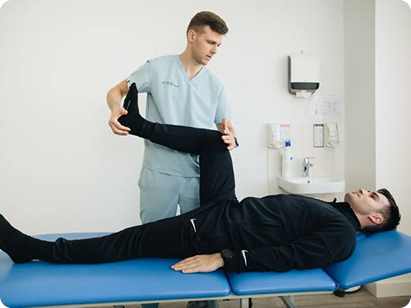
Conservative Hip Pain Management
Many hip conditions can initially be managed without surgery when there is no indication for urgent surgical intervention.
Treatment can include:
- Activity modification
- Physical therapy
- Hip strengthening
- Mobility exercises
- Posture and movement correction
- Weight management when appropriate
- Image-guided treatments
- Regenerative orthopedic treatments
The treatment plan is individualized according to the diagnosis, symptoms and functional goals.
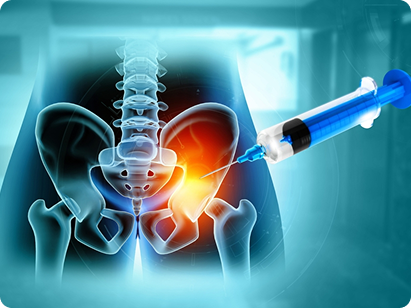
High Concentrated PRP Therapy
How It Works
Potential Benefits
- Helps manage hip pain
- Supports the body's healing environment
- Supports tissue function
- Can complement rehabilitation
- Uses the patient's own blood
PRP is not appropriate for every hip condition. The doctor determines whether it is suitable after evaluating the joint and surrounding structures.
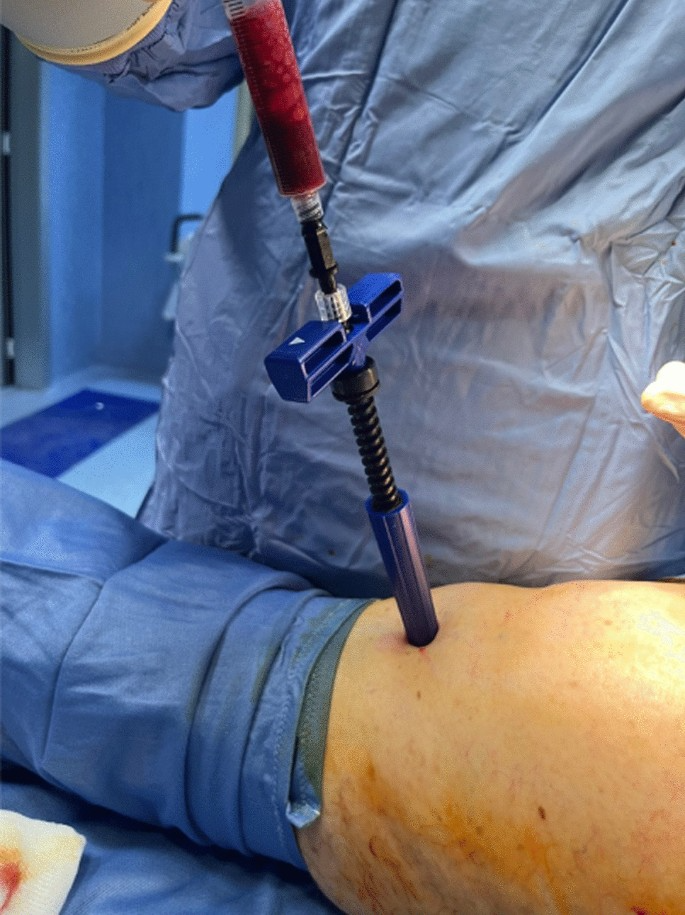
Bone Marrow Concentrate (BMAC)
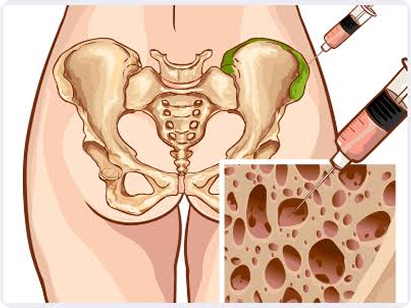
Bone Marrow Concentrate is prepared from the patient’s own bone marrow and contains concentrated cells and other components that support the body’s healing environment.
BMAC can be considered for certain hip and musculoskeletal conditions after a comprehensive evaluation.
Potential benefits include:
- Supports tissue recovery
- Supports the body's healing environment
- Helps manage symptoms
- Can complement rehabilitation
- Supports functional recovery
Treatment selection depends on the diagnosis, imaging findings, severity of the condition and overall health.
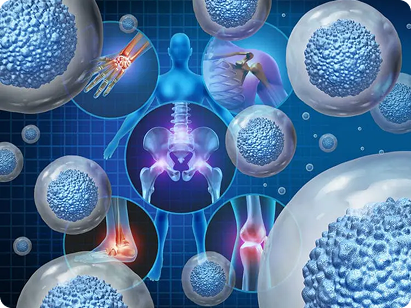
Stem Cell Therapy
Ideal Candidates
Cell-based treatment can be considered for appropriate patients with certain hip and musculoskeletal conditions.
Potential situations include:
- Certain degenerative hip conditions
- Appropriate cartilage or bone conditions
- Selected tendon or soft-tissue problems
- Certain early-stage bone conditions
- Persistent symptoms despite conservative treatment
- Patients seeking non-surgical treatment options
Procedure
Potential Benefits
- Supports the body's healing environment
- Supports tissue recovery
- Helps manage symptoms
- Can complement rehabilitation
- Supports functional recovery
The doctor evaluates the hip condition and recommends cell-based treatment when it is clinically appropriate.
Platelet Lysate Therapy
Potential Benefits
- Supports the body's healing environment
- Helps manage associated symptoms
- Supports tissue recovery
- Can complement rehabilitation
- Supports functional recovery
The appropriate application depends on the diagnosis and treatment area.
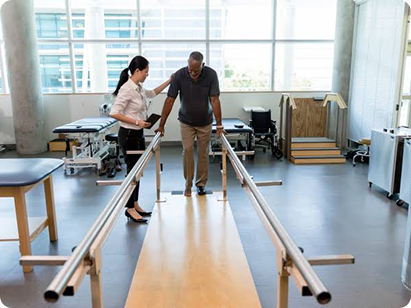
Physical Therapy and Rehabilitation
- Hip strengthening
- Glute strengthening
- Core strengthening
- Improving hip mobility
- Improving flexibility
- Balance training
- Movement control
- Gait improvement
- Improving functional strength
- Gradual return to exercise
Exercises are progressed according to symptoms, diagnosis and functional capacity.

Activity Modification
Certain movements can aggravate hip pain, particularly deep squatting, repetitive pivoting, high-impact activity or prolonged sitting in some conditions.
Activity modification can help reduce stress on the affected structures while strength and mobility are restored.
This does not mean stopping all physical activity. The goal is to maintain appropriate movement while avoiding activities that repeatedly worsen symptoms.
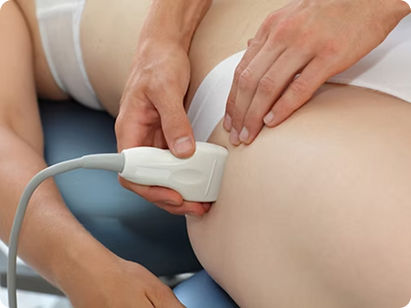
Image-Guided Hip Treatments
Image guidance allows the physician to visualize the hip and surrounding structures and accurately deliver treatment to the intended area.
Depending on the diagnosis, image-guided procedures can target:
- Hip joint
- Tendons
- Bursae
- Labral-related structures
- Other surrounding musculoskeletal tissues
The appropriate procedure is selected based on the clinical examination and imaging findings.
Who Is a Good Candidate for Non-Surgical Hip Pain Treatment?
Non-surgical treatment can be considered for appropriate patients with:
A thorough evaluation is necessary before determining the appropriate treatment. Advanced joint destruction, significant structural abnormalities or conditions requiring surgical correction require specialist assessment.
1Hip osteoarthritis
2 Certain labral injuries
3 Tendon problems
4Bursitis
5 Femoroacetabular impingement
6 Certain early-stage bone conditions
7 Sports-related hip injuries
8 Musculoskeletal hip pain
9Persistent symptoms despite basic conservative treatment
10Patients seeking alternatives to surgery
Why Choose
RegenOrthoSport?
Specialized Hip Expertise
Our team evaluates hip arthritis, sports injuries, labral problems, tendon conditions, bone conditions and other musculoskeletal hip disorders.
Regenerative Medicine Focus
We provide image-guided regenerative orthopedic treatments including PRP, High Concentrated Platelets, Bone Marrow Concentrate (BMAC), Platelet Lysate and cell-based treatments for appropriate conditions.
Personalized Treatment
Every treatment plan is based on the patient's diagnosis, symptoms, imaging findings, activity level and functional goals.
Advanced Diagnostics
Clinical examination, X-rays and MRI help establish an accurate understanding of the hip condition.
Rehabilitation Support
Structured rehabilitation helps restore strength, mobility, balance, movement control and functional capacity.
Focus on Non-Surgical Care
The goal is to manage pain, improve function and preserve natural hip structures while avoiding surgery when non-surgical treatment is clinically appropriate.
Benefits of Non-Surgical Hip Pain Treatment
- Helps manage pain
- Supports hip function
- Improves mobility
- Supports rehabilitation
- Helps patients remain active
- Can address specific pain-generating structures
- Avoids surgery when clinically appropriate
- Provides individualized treatment
- Supports return to daily activities
- Focuses on preserving natural hip function
Your Recovery
Within Days
Follow treatment-specific instructions, manage symptoms and begin appropriate movement.
Within Weeks
Progress strengthening, mobility and rehabilitation according to your condition.
Within Months
Continue improving strength, mobility and functional capacity with gradual progression toward normal activities and exercise.
- Our Regenerative Specialists
Care led by experienced physicians
Dr. Venkatesh Movva
Founder, RegenOrthoSport
Recognized for his expertise in regenerative orthopedics and sports medicine, Dr. Movva has helped thousands of patients overcome pain, recover from injuries, and return to active lifestyles through minimally invasive, image-guided procedures. His approach combines extensive clinical experience with the latest advancements in regenerative medicine to help patients achieve meaningful recovery while reducing the need for surgery whenever appropriate.


Dr. Maitri Shah
Pain physician and anaesthesiologist
- Voice of Trust
Testimonials
- Frequently Asked Questions
Frequently asked
questions
Can hip pain be treated without surgery?
What are the alternatives to hip replacement?
Can PRP help hip pain?
Can stem cell therapy help hip pain?
Can BMAC help hip arthritis?
Can Platelet Lysate help hip pain?
Can hip arthritis be treated without hip replacement?
Can a hip labral tear heal without surgery?
Can hip impingement be treated without surgery?
Treatment can include physical therapy, movement modification, strengthening and appropriate image-guided treatments. Structural problems that significantly affect function require specialist evaluation.